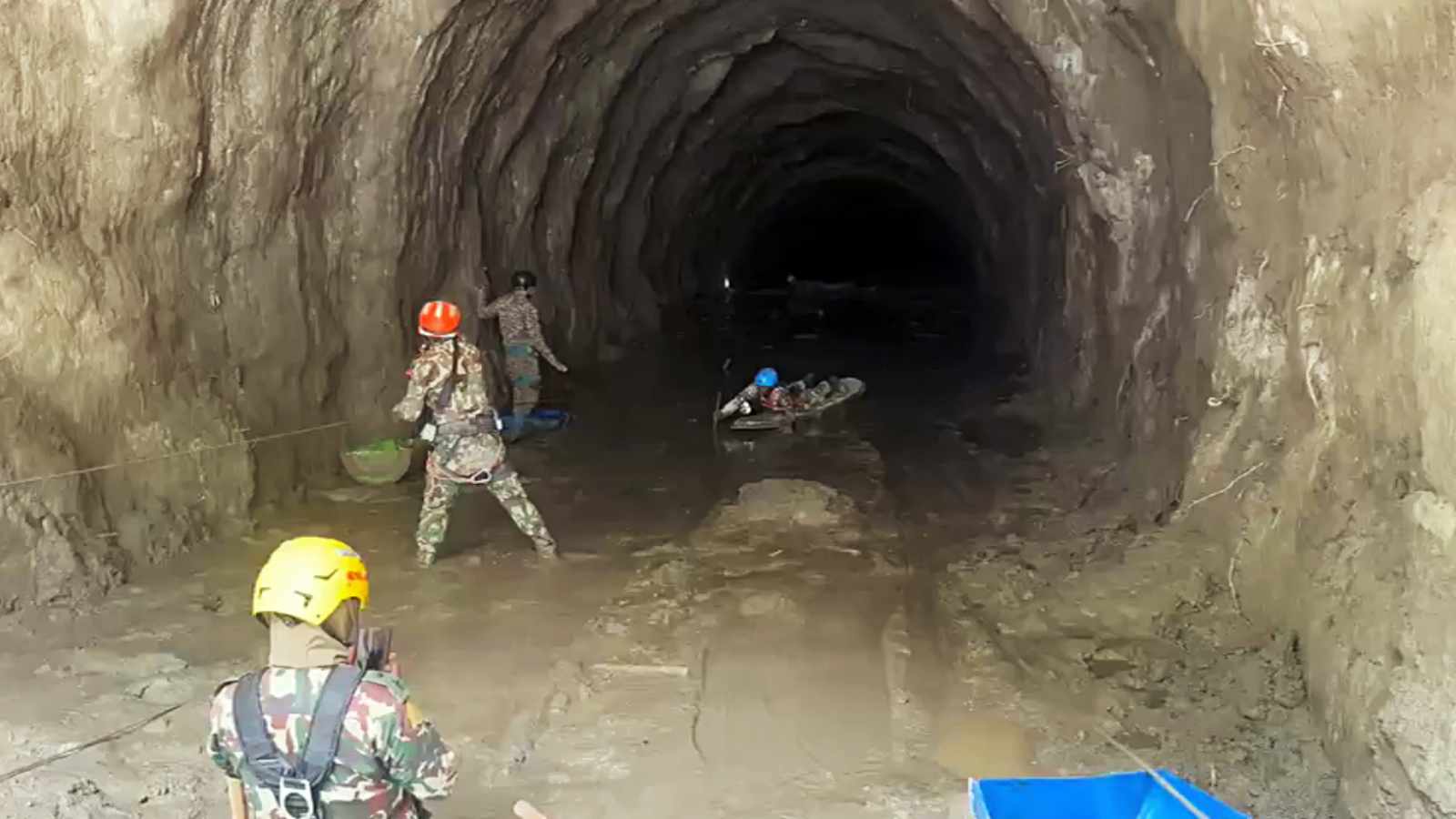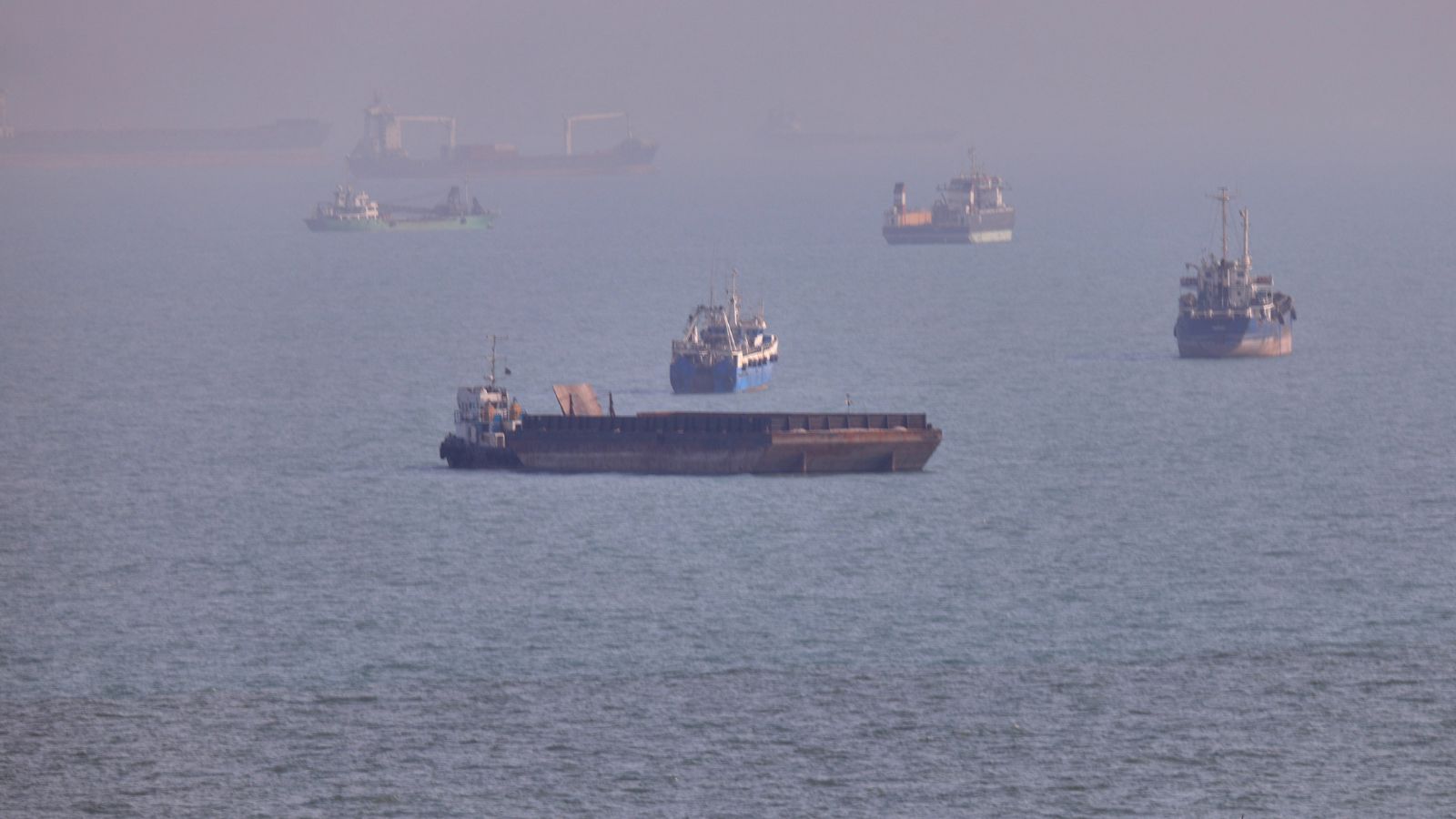
The recent kinetic escalation in the Persian Gulf has brought the mechanisms of long-range precision strikes under intense operational scrutiny. Following a United States military campaign directed at Islamic Revolutionary Guard Corps infrastructure in southern Iran, local authorities reported that a residential structure hosting a wedding celebration in Kuhestak, Sirik County, was impacted by munitions. This event highlights a persistent structural failure in contemporary aerial warfare: the friction between high-altitude sensor data and complex, densely packed civilian geography.
Understanding how a military strike deviates from its intended vector into a civilian celebration requires examining the mechanics of military targeting architectures. Modern air campaigns rely on a continuous loop of intelligence, surveillance, and reconnaissance inputs, coupled with automated geolocational databases. When maritime choke points like the Strait of Hormuz experience active mine-laying threats or anti-ship deployments, the sensor-to-shooter loop compresses. This compression dramatically increases the probability of false-positive identification, spatial drift, and targeting degradation.
The Mechanics of Targeting Degradation
Military organizations evaluate strike efficiency through asset allocation models and collateral damage estimation methodologies. However, these calculations depend heavily on baseline assumptions regarding population density and infrastructure usage patterns. In coastal regions of Hormozgan province, dual-use architecture is common; residential compounds frequently sit adjacent to or interlock with logistical transit routes, communications nodes, and coastal defense assets.
When intelligence architectures register electronic emissions or vehicular movement near these zones, automated tracking algorithms often classify the cluster as a tactical threat. The operational chain of command must then weigh the temporal urgency of neutralizing an imminent maritime threat against the fidelity of its collateral damage estimates. If the intelligence feeds rely on outdated mapping layers or delayed drone surveillance, a civilian gathering situated within a designated grid square can easily be mischaracterized as a command-and-control node or troop staging area.
The Economic and Logistical Fallout
The strategic impact of such an incident extends far beyond the immediate humanitarian toll. Energy markets respond instantaneously to disruptions in the Strait of Hormuz, pricing in the risk of closed transit lanes and damaged export terminals. The sequence of events—beginning with attempted mine deployments, followed by American strikes across southern Iran, and culminating in retaliatory ballistic arcs toward regional bases in Jordan and the Gulf—demonstrates an escalatory feedback loop.
Each node in this sequence operates on tight defensive timelines. When civilian casualties occur within this loop, the political cost alters the adversary's calculus for de-escalation. Public outrage forces retaliatory signaling that might otherwise remain restrained, shifting diplomatic channels into total paralysis.
Evaluating Institutional Redundancies
To prevent systemic targeting errors, defense planners typically implement multi-tiered verification protocols. These safeguards include secondary confirmation from human analysts, live full-motion video feeds, and historical pattern-of-life analysis. Yet, operational friction often bypasses these redundancies. When command structures prioritize force protection and rapid response times over exhaustive verification, the margin for error narrows dangerously.
Mitigating these failures demands a structural shift in how automated targeting systems process civilian density indicators. Until real-time topological mapping and high-resolution urban behavioral analytics are fully integrated into automated strike authorization matrices, civilian casualties will remain an inevitable, recurring byproduct of high-tempo aerospace campaigns.
Execute a real-time audit of the collateral damage estimation software currently deployed in regional command centers, focusing specifically on the latency between initial intelligence gathering and final strike validation.