Geopolitical alignment rarely survives direct friction between a state's primary economic partners and its secondary security dependencies. When bilateral engagements occur under external duress, diplomatic communiques obscure structural realities. The diplomatic mechanics between New Delhi and Tehran represent a high-stakes balancing act driven by trade corridors, energy security, and multilateral balancing within platforms like BRICS.
Deconstructing this relationship requires moving past nominal diplomatic pleasantries to examine the underlying economic and logistical vectors governing the interaction. Learn more on a connected issue: this related article.
The Three Pillars of Bilateral Engagement
The operational foundation binding New Delhi and Tehran rests on distinct geographic and economic dependencies rather than ideological convergence.
- The Trade and Transit Vector: The development of the Chabahar Port serves as the primary instrument for New Delhi to bypass land transit blockades imposed by Pakistan, gaining direct access to Afghanistan and the broader Central Asian markets.
- The Energy Security Equation: Historic reliance on Iranian crude oil creates a persistent structural pull, even when secondary sanctions restrict overt financial transactions.
- Multilateral Coordination: Platforms such as the Shanghai Cooperation Organisation and BRICS provide institutional venues for both capitals to coordinate positions against Western financial dominance without triggering immediate bilateral trade penalties.
These pillars do not exist in a vacuum. Each vector operates under severe external constraints dictated by third-party sanctions and regional military escalations in West Asia. Additional reporting by NBC News delves into similar views on the subject.
The Cost Function of Multilateral Balancing
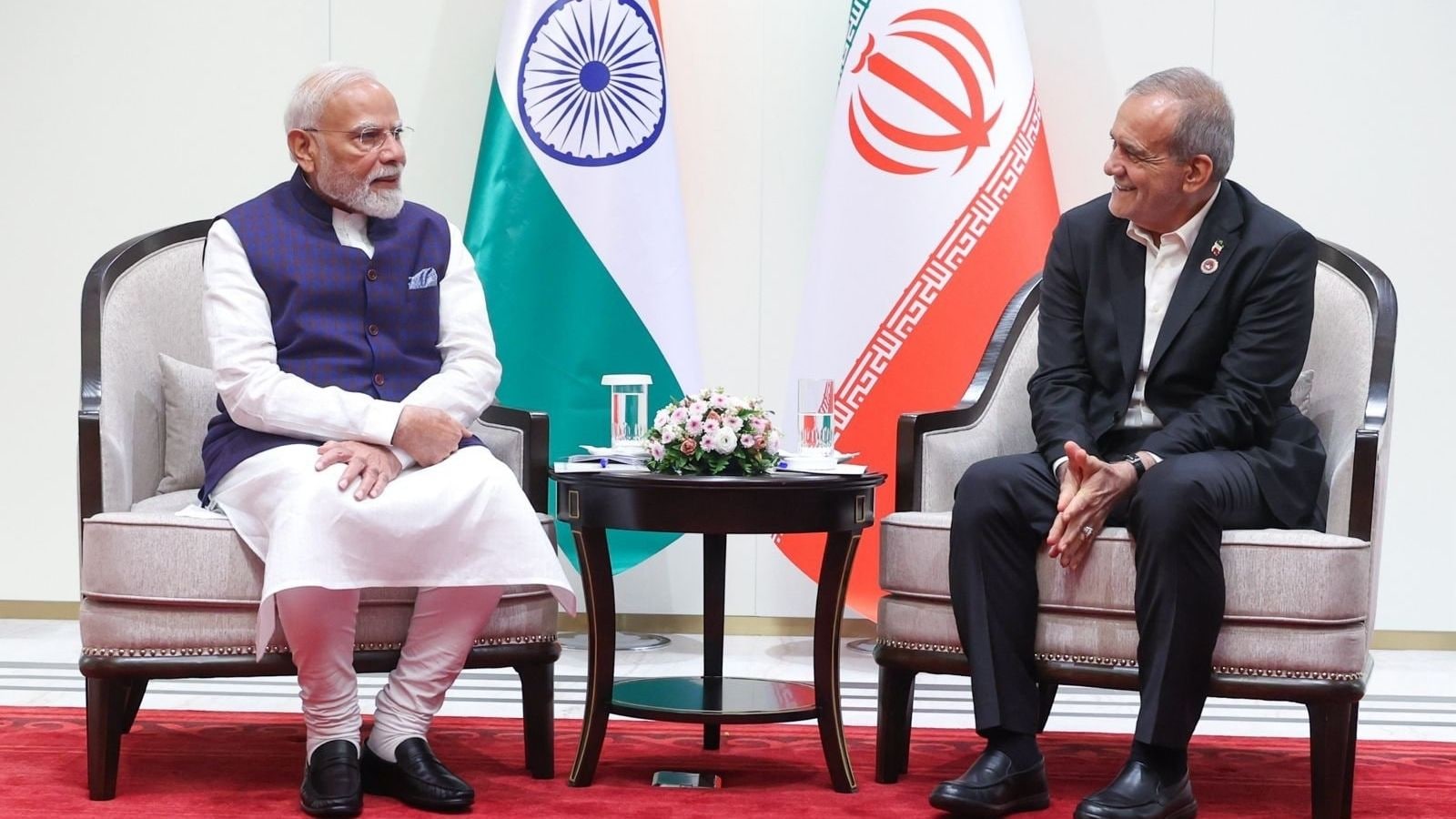
Managing simultaneous partnerships with adversarial actors imposes quantifiable friction costs on Indian foreign policy. New Delhi maintains vital security and economic ties with Washington, Tel Aviv, and the Gulf monarchies—principally the United Arab Emirates—while simultaneously hosting Iranian leadership for structured bilateral talks.
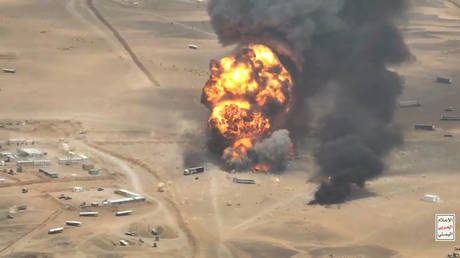
This structural juxtaposition introduces acute policy dilemmas. When regional conflict escalates, the security of maritime choke points such as the Strait of Hormuz directly threatens energy imports and inflationary stability within the Indian domestic market.
[West Asian Conflict] ---> [Strait of Hormuz Disruption] ---> [Import Cost Inflation] ---> [Domestic Fiscal Pressure]
Tehran seeks to leverage multilateral groupings to consolidate opposition against Western military actions, pushing the chair nation to adopt unified formal stances. Conversely, New Delhi must preserve strategic ambiguity to prevent secondary sanctions and safeguard capital flows from Western economies. Consequently, bilateral communiques frequently default to generalized calls for dialogue, masking the inability to form cohesive defensive blocs against external economic coercion.
Logistical Vulnerabilities and Infrastructure Bottlenecks
The operational timeline of the Chabahar Port agreement highlights the divergence between long-term strategic vision and short-term execution capacity. Despite formal ten-year operational contracts signed by Indian entities, infrastructure buildout suffers from persistent delays driven by financing uncertainties and fear of regulatory penalties.
Logistical integration via the International North-South Transport Corridor faces similar impediments. Rail connectivity bottlenecks, mismatched track gauges, and insurance liabilities across transit states prevent the corridor from achieving the cargo throughput velocity necessary to rival maritime shipping alternatives.
Diplomatic meetings in New Delhi attempt to recalibrate these operational timelines, yet structural risk premiums discourage private sector capital mobilization. State-backed entities must absorb the financial downside, transforming infrastructure projects into geopolitical subsidies rather than self-sustaining commercial enterprises.
The Information Warfare Variable
Bilateral stability is increasingly vulnerable to external digital disruption. State and non-state actors regularly deploy coordinated disinformation campaigns via synthetic social media profiles to fracture trust between New Delhi and Tehran. Fabricated claims regarding unilateral cancellations of port agreements or manufactured diplomatic slights are engineered to provoke premature diplomatic responses.
Security apparatuses in both capitals now treat information verification as a core component of diplomatic hygiene. The speed at which unverified digital narratives can derail bilateral sentiment forces foreign ministries to establish rapid-response communication channels, shifting diplomatic bandwidth away from substantive economic integration toward crisis mitigation.
Strategic Trajectory
To transform diplomatic goodwill into durable economic outcomes, New Delhi must isolate infrastructure projects from immediate security shocks through dedicated payment mechanisms that bypass extraterritorial financial policing. Future engagement will succeed only if institutional frameworks insulate bilateral trade corridors from the broader fallout of West Asian kinetic conflicts.
US-Iran War shadow over BRICS Summit? Can host India bridge divisions in the Middle East? provides an in-depth analysis of how regional military escalation complicates multilateral diplomacy and bilateral balancing acts during New Delhi's high-level summits.