The weight of a nation does not feel heavy at first. It feels like leather.
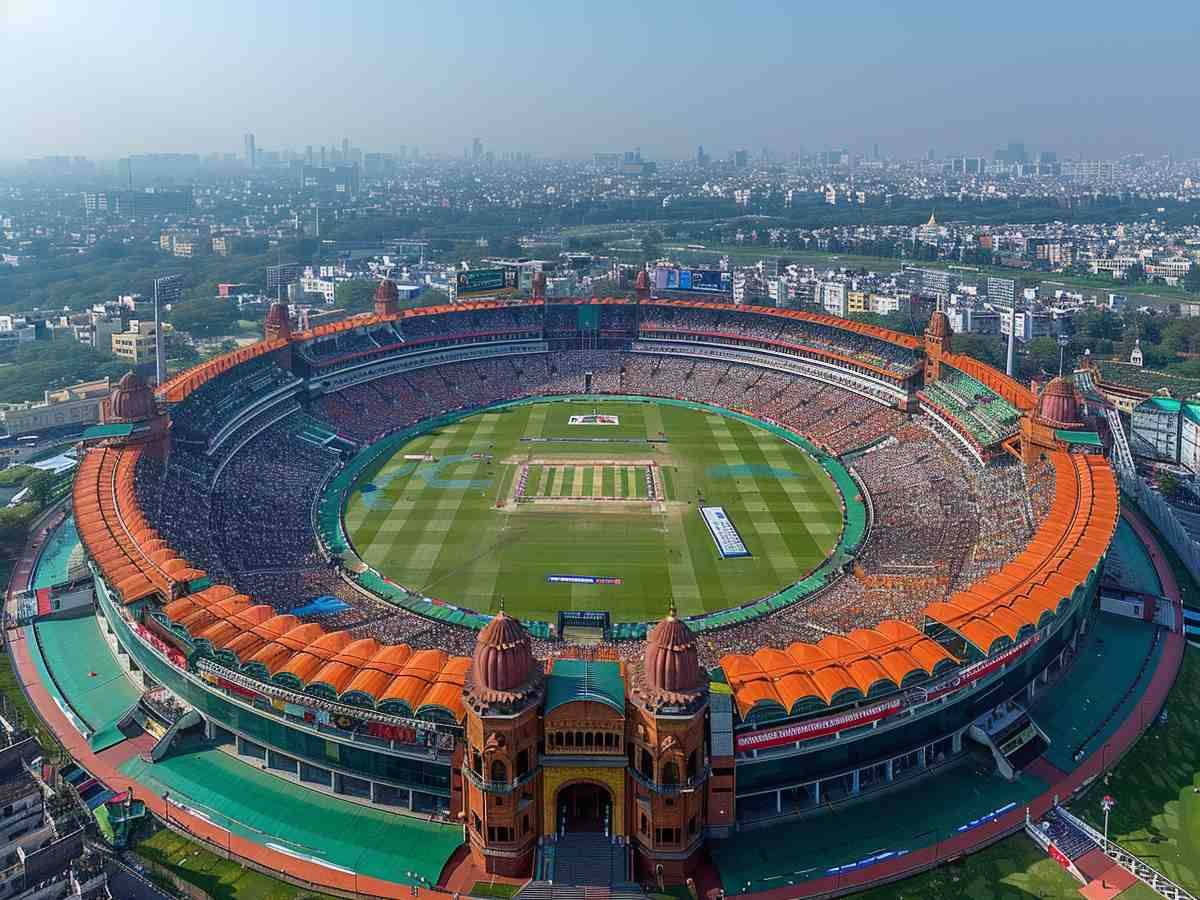
Stand inside a kit room three hours before a match. The air smells of mint liniment, damp grass, and the faint, copper tang of nervous sweat. Boots are lined up like soldiers on parade. Out there, beyond the concrete tunnel, fifty thousand people are slowly filling a bowl with noise, a rising tide that will soon demand perfection from men who are, when you strip away the crests and the millions, just terrified kids from places you cannot find on a map without a magnifying glass.
Mauricio Pochettino knows that smell. He knows the weight.
For decades, American soccer has operated like a brilliant, frantic machine built by people who love the engine more than the destination. We talk about systems, pathways, data points, and xG like accountants auditing a ledger. We built academies in strip mall suburbs and scouted teenagers with spreadsheets. We wanted so badly to belong at the high table of the world game that we forgot the most fundamental truth of the sport.
You cannot spreadsheet a soul.
When the announcement dropped that Pochettino had officially committed his future to the United States Soccer Federation through the 2026 World Cup and beyond, the hot takes flickered across screens for twenty minutes before the internet moved on to the next distraction. Contracts are boring. Signatures on paper mean nothing until the whistle blows.
Except this one does.
To understand why this matters, you have to look past the ink and into the psychology of a man who spent his life climbing the steepest cliffs in European football. Pochettino is not a mercenary collecting a paycheck. He is an artisan of suffering. He believes that a team must bleed together before they can win together. At Southampton, at Tottenham, at Paris Saint-Germain, and at Chelsea, his method was always the same: absolute exhaustion followed by absolute devotion.
He asks for everything. He takes your legs, your comfort, your excuses, and your ego. In return, he gives you an identity.
That is precisely what American soccer has lacked since its modern renaissance. We have athletes. We have flyers and runners and physical freaks who could decimate a decathlon. What we have rarely had is a collective heartbeat. We have looked like eleven talented strangers sharing a pitch, wearing the crest like a borrowed jacket.
Consider what happens next summer.
The tournament is on home soil. The stadiums will be cathedrals of sound, packed with fans who expect miracles simply because we paid for the ticket. The pressure will be thermonuclear. Every misplaced pass will be dissected on television by men who never kicked a ball in anger. Every tactical shift will be second-guessed by millions of internet tacticians.
A lesser manager would have cracked under that pressure. A pragmatist would have demanded total control over youth infrastructure, grassroots funding, and referee unions before signing a napkin.
Pochettino did something much simpler. He walked into the fire.
He looked at a generation of American players—Pulisic, McKennie, Weah, Adams, and the hungry wave snapping at their heels—and saw something raw. Unshaped clay. The kind of raw material that keeps a coach awake at night pacing a dark kitchen.
I remember standing behind the bench at a cold friendly years ago, watching a young American side lose their shape the moment things went sideways. The panic was palpable. It radiated from the technical area down to the grass. There was no anchor. No voice loud enough to cut through the noise of a hostile stadium. When the storm hit, the house blew down because it was built on hype instead of mortar.
Pochettino is the mortar.
He is famously intense. Players talk about his training sessions like survivors of a shipwreck recounting the storm. He watches the way a player ties his boots. He listens to the tone of a voice in the cafeteria. He builds trust through brutal, unvarnished honesty. He does not coddle. He challenges.
And that is why his contract extension with US Soccer is the most important quiet development in the history of the sport in this country. It signals permanence. It signals that we are done looking for a quick fix, a tactical savior who will parachute in for twelve months, grab a bag of cash, and leave a smoking ruin behind.
He is planting trees whose shade he may never sit under.
The timeline stretches past the summer of 2026. That is the real tell. If this were just about a home World Cup fling, it would be a high-stakes romance destined to end in tears and recrimination when the inevitable quarterfinal heartbreak arrives. By tying himself to the mast for the long haul, Pochettino is signaling that he wants to build an institution. He wants to change how American players think about the shirt.
He wants them to feel the weight of it.
Out on the training pitch in Atlanta or Chicago, the balls are moving now with a sharper snap. The drills are faster. The tactical demands are growing heavier by the week. The players are learning a new language—not of words, but of spaces, triggers, and sacrifices.
It is uncomfortable. Growth always is.
Down in the tunnel, the silence before the storm remains. The boots are lined up. The mint liniment fills the air. And somewhere in the center of that room, a man with graying hair and an unrelenting stare is watching his players tie their laces, waiting for the moment the door swings open to the noise.