Apple just admitted defeat, even if the shiny WWDC presentation tried to hide it.
For two years, we've been waiting for the smart assistant overhaul promised back in 2024. Instead of building it alone, Cupertino quietly signed a massive deal with its biggest rival. The result is Siri AI, a totally rebuilt assistant running on top of Google’s Gemini models. It’s a massive strategy shift for a company that usually insists on controlling every piece of its hardware and software.
If you're an iPhone user, you've probably noticed that Siri still struggles with basic commands. It misunderstands context. It searches the web instead of performing actions. This update changes the core behavior of your device, moving away from a basic voice trigger to a conversational interface deeply embedded into iOS 27.
The Google Deal Hiding in the Dynamic Island
The new Siri AI drops the old glowing orb for a slicker integration inside the Dynamic Island. You can still use your voice, but Apple added a swipe-down gesture from the top center of the screen. This pulls up a dedicated "Search or Ask" window.
This isn't just a fresh coat of paint. Apple partnered with Google to use Gemini to power its new foundation models. Mike Rockwell, Apple’s vice president of Siri engineering, showed off how the assistant can track personal context across your entire phone. It reads through emails, texts, and notes to piece together your schedule or find specific photos.
Instead of shouting commands into an empty room, you get an interactive card that pops out of the Dynamic Island. If you need more depth, you swipe down to expand it into a full chat window. The voice engine itself got a major upgrade, adding individual sliders so you can manually adjust the pace and expressivity of the assistant's speech.
A Dedicated App to Fight ChatGPT
Apple is also launching a standalone Siri app. This is a direct shot at the official ChatGPT and Claude apps. It behaves exactly like a premium chatbot. You can type out long prompts, keep a running history of your conversations synced via iCloud, and upload documents or images for instant analysis.
The app includes visual intelligence tools. During the keynote demos, executives pointed the iPhone camera at a plate of food to instantly pull up nutritional info. They also used it to split dinner bills from a single photo and identify real-world landmarks.
Moving Past the 2024 Concept Videos
We’ve been burned by Apple's AI promises before. At WWDC 2024, executives stood on stage and showed Kelsey Peterson tracking her mom's flight in real-time using Siri. It looked incredible. Then the feature vanished, and reports later surfaced that the flashy demo was mostly a concept video.
This time, developers actually have their hands on the code. The beta is rolling out to consumers later this year, though it comes with some serious geographic roadblocks.
Because of strict local regulations, Siri AI won't launch initially in the European Union or China for iOS and iPadOS users. Mac and Apple Watch users in the EU get a pass, but if you're on an iPhone in Paris or Berlin, you're stuck waiting.
The Heavy Hardware Tax
You will probably need a new phone to use this. While Apple Intelligence runs some processing locally on Apple Silicon and offloads heavy lifting to its Private Cloud Compute servers, the system requirements are steep.
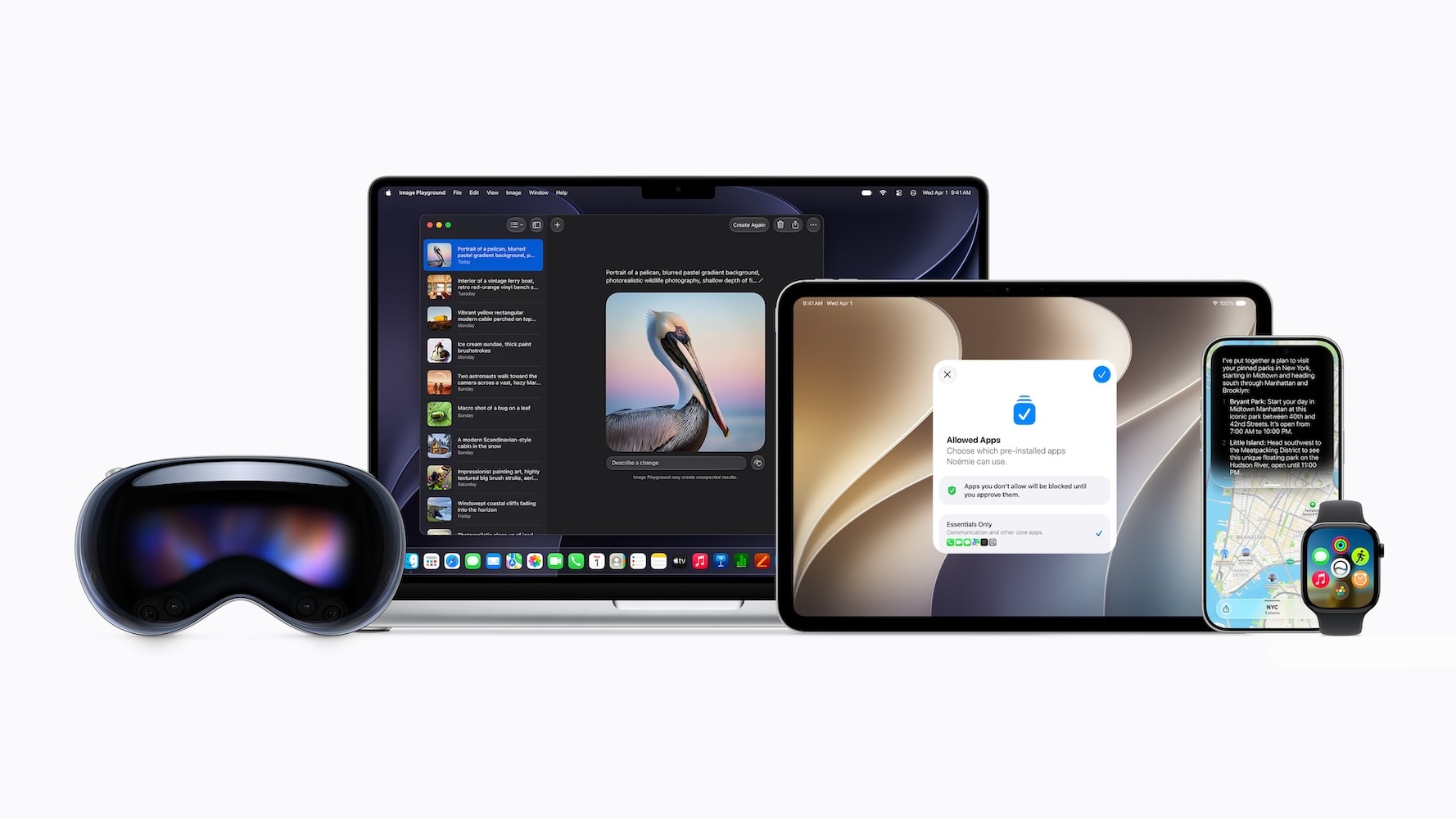
The underlying architecture demands serious memory and processing power. If you are holding onto an older iPhone, most of these conversational features simply won't show up. Apple is balancing the heavy server load by placing daily usage limits on features like image generation inside the new Image Playground, unless you pay for an iCloud+ subscription.
Beyond the iPhone
The rewrite extends to watchOS 27 and macOS. On the Mac, Siri AI hooks directly into Spotlight, routing your typed questions straight to the assistant if it detects you need a conversational answer rather than a file search.
On the Apple Watch, a new single-tap gesture lets you interact with widgets, while a feature called Call Context automatically pulls up flight details or confirmation codes from your email while you are on a phone call with an airline.
Your Next Steps
If you want to prepare your device for the rollout this fall, here is what you need to do right now.
- Check your hardware compatibility: Ensure you are using an Apple Intelligence-compatible device, as older models will be locked out of the Gemini-powered features.
- Archive old accounts: Clean up your native Mail, Messages, and Notes apps. Since Siri AI relies entirely on searching your local data to build personal context, messy inboxes will lead to worse search results.
- Register for the public beta: If you want early access before the general fall release, back up your device to iCloud and sign up via the Apple Beta Software Program portal when registrations open next month.
The shift to a Google-powered core proves Apple knew it couldn't catch up alone. By turning Siri into a true conversational assistant, they are betting that privacy protections and deep app integration will keep users from jumping ship to native Android AI devices.