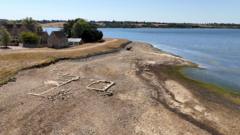
You drive past the reservoir every single day. The water looks normal, maybe a little low after a dry spell, but nothing dramatic. Then summer hits hard. The rain stops. Weeks bleed into months, and the water line pulls back. Suddenly, jagged stone walls pierce the surface. Chimneys emerge from the mud. A ghost town wakes up.
When severe dry spells drain water systems across the globe, they don't just reveal cracked earth. They unearth lost villages. Entire communities swallowed decades ago by engineering projects claw their way back into the light. It's eerie. It's fascinating. And it happens more often than most people realize.
The Engineering Behind the Submersion
Let's get one thing straight. Reservoirs don't happen by accident. Governments and utility companies flood valleys on purpose. They build massive dams to secure water supplies and generate hydroelectric power. They tell you it's for the greater good. But progress always carries a cost.
Families pack their bags. Houses get bulldozed or simply left behind. Graveyards get relocated, sometimes poorly. Then the floodgates close. Water rushes in. Centuries of local history vanish under tons of cold water.
Take Aceredo in Spain. For decades, it sat quietly at the bottom of the Alto Lindoso reservoir. Former residents lived their entire lives knowing their childhood homes were resting in the silt. Then came a brutal dry spell. The water level crashed to fifteen percent capacity. Aceredo reappeared. Roofless stone houses stood coated in grey mud. Old cars rusted in driveways. People drove for hours just to walk through their former living rooms.
It breaks your heart. You see a rusted door handle and realize someone turned it for the very last time sixty years ago. They didn't know they were locking it forever.
Where Else the Water Recedes
Spain doesn't hold a monopoly on sunken ruins. This happens everywhere.
In Italy, the bell tower of Curon rises dramatically out of Lake Resia. That spire is basically a tourist magnet now. People flock there to take photos, skate on the frozen lake in winter, and forget that an entire village sits at the bottom. The 1950 unification of local lakes erased 163 homes. Only the 14th-century church tower survived the corporate bulldozer.
Over in England, the village of Derwent met a similar fate. Submerged to feed the growing industrial cities nearby, its stone structures occasionally breach the surface during extreme dry spells. Tourists line up at the Derwent Dam just to catch a glimpse of the abandoned streets.
You find the same story in America. Look at Lake Mead or various western reservoirs suffering from long-term climate shifts. Entire towns, industrial relics, and ancient infrastructure poke through the mud. Each emergence tells a brutal story about water management, shifting weather patterns, and human displacement.
Why These Ghost Towns Matter Right Now
People love a good mystery. Sunken villages hit all the right notes. They mix local history with visual drama. You walk through streets that shouldn't exist anymore. You touch stone that hasn't seen the sun in generations.
But there is a darker side to this phenomenon. These reappearances serve as a glaring warning sign. When a reservoir drops low enough to expose a lost village, it means the local water table is in trouble. Communities rely on these reservoirs for drinking water and agriculture. Severe dry spells drain these basins faster than nature can replenish them.
You aren't just looking at history when you visit a revealed ruin. You're looking at a crisis.
Scientists track these water levels closely. When historical foundations emerge early in the season, farmers panic. Restrictions kick in. Municipalities start rationing supply. The romantic appeal of a ghost town fades fast when your kitchen tap starts sputtering.
How to Witness History Without Harming It
If you hear about a sunken village emerging near you, you're going to want to check it out. Everyone does. Curiosity wins.
Before you pack your bags, keep a few realities in mind.
- The mud is treacherous: Submerged soil turns into a thick, sucking quagmire. People get stuck every year. Leave the nice sneakers at home and wear heavy-duty boots.
- Respect private property and local laws: Just because the water is gone doesn't mean the land is open season. Much of it remains under strict government or municipal jurisdiction.
- Leave artifacts alone: It's tempting to pocket a piece of old pottery or a rusted hinge. Don't do it. These sites hold deep cultural and historical value. Take photos. Leave the rest where it lies.
Planning Your Visit Smartly
Check local news outlets before you drive out. Authorities frequently close access roads because crowds overwhelm tiny rural towns that lack the infrastructure for sudden tourism booms.
Talk to locals. Find the people who remember when the valley was dry land. Their stories beat any plaque or guidebook you will ever read. They can point out where the old pub stood or where the village schoolmaster lived.
These resurfaced communities offer a rare glimpse into the past. They remind us that our modern landscapes are fragile. Water gives life, but it can also erase it in an instant. Next time a dry spell hits your region, keep an eye on the local reservoirs. You might just witness history coming up for air.