Forget Silicon Valley. The earliest known blueprint for commercial brand identity didn't start with catchy slogans or social media ads. It started in the scorching sands of northwestern Arabia more than three thousand years ago.
Recent archaeological research published in PLOS ONE analyzed a ceramic tradition known as Qurayyah Painted Ware, or QPW. Experts combined chemical, petrographic, and archaeological data to track how a specific desert oasis became the birthplace of early product recognition. Back in the Late Bronze Age, long before trademarks or copyright laws existed, local craftspeople engineered a visual identity so strong that it traveled hundreds of kilometers and even inspired counterfeit versions.
If you think brand loyalty is a modern invention driven by corporate boardrooms, history begs to differ.
The Anatomy of a Bronze Age Product Line
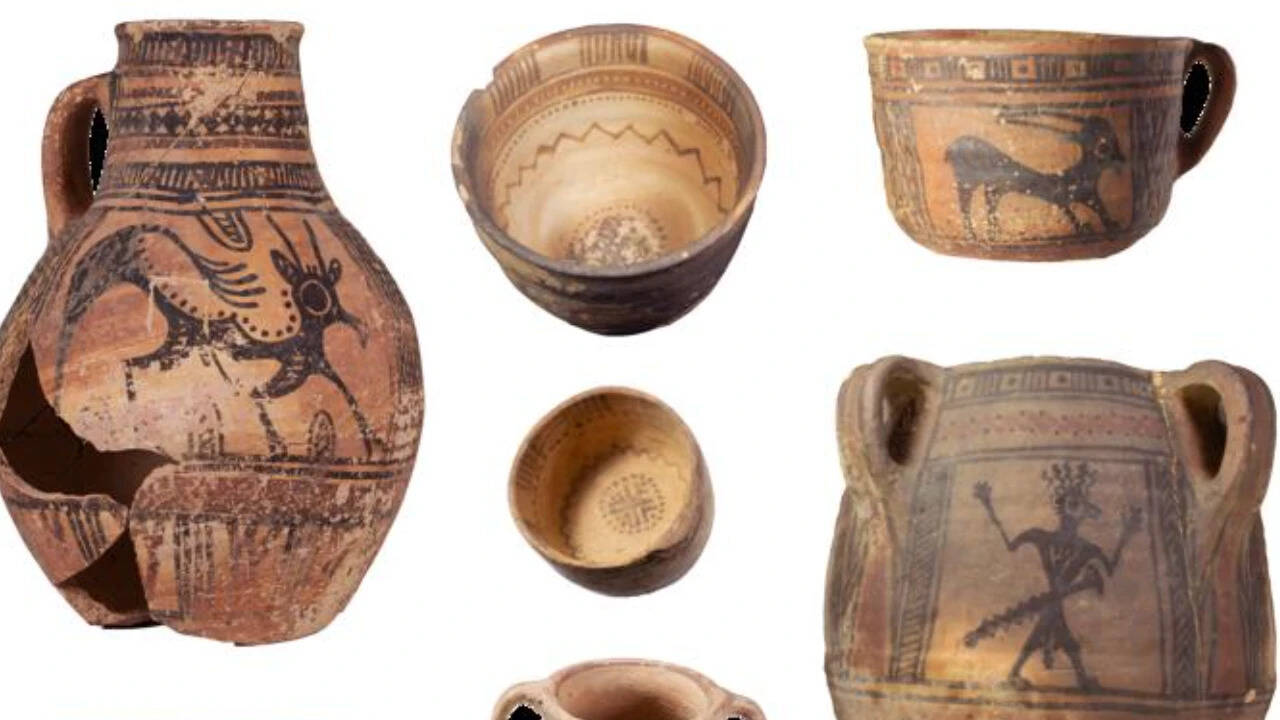
The story centers on the Qurayyah oasis, located in modern-day Saudi Arabia. Around 3,600 years ago, local potters began crafting distinct ceramics featuring striking bichrome geometric designs, animal motifs, and human figures.
These weren't random kitchen pots. As the production evolved through various phases into what archaeologists label QPW 4, several distinct markers of modern branding emerged:
- Standardized Visual Identity: The pottery carried an unmistakable look featuring dark paint over a lighter background. Anyone in the region could spot a Qurayyah vessel on sight.
- Material Consistency: Scientific analysis of kiln sites and clay fragments reveals that makers stuck to strict regional recipes and manufacturing traditions across generations.
- Centralized Production: Rather than every household making its own pots, specialized workshops scaled up manufacturing beyond local needs to produce goods explicitly for export.
The pottery became a status symbol. Excavators have recovered genuine QPW pieces hundreds of miles away from the oasis, including at Tell el-Kheleifeh in southern Jordan and the Hathor Shrine at Timna in southern Israel. Elite buyers treated these imported vessels as prized possessions, burying their dead with them.
When Knockoffs Prove Your Value
You know you've made it when people start copying you. The ultimate proof of Qurayyah's commercial pull is the appearance of ancient counterfeit goods.
Chemical testing on pottery fragments found across the Southern Levant revealed an interesting twist. While some sherds matched the exact geochemical fingerprint of the Qurayyah kilns, others were local imitations. Regional potters outside the oasis started mimicking the distinct bichrome aesthetic because consumers wanted the prestige of the original style.
It's the Bronze Age equivalent of buying a cheap knockoff designer handbag on a city sidewalk. Consumers wanted the status attached to the oasis aesthetic, and local workshops rushed to fill the gap with imitation pieces.
Researchers are quick to point out that these ancient artisans weren't corporate marketers. They didn't have registered trademarks, focus groups, or ad agencies. Instead, the "brand" was entirely product-based. The physical item itself communicated quality, origin, and cultural meaning.
The lesson here is simple. Human psychology hasn't changed. People have always used recognizable goods to signal identity, status, and affiliation. Long before digital ads crowded your screen, a painted clay pot from a desert oasis proved that a good reputation travels far.