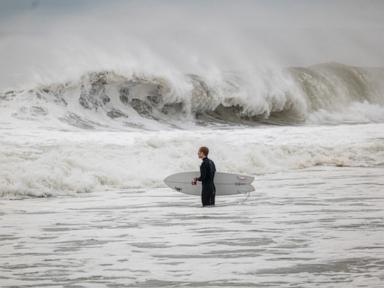
A Nor'easter is a meteorological collision that exposes the vulnerability of coastal infrastructure from North Carolina to Maine. When frigid Arctic air plunges south to meet warm, moisture-laden air streaming up from the Atlantic over the Gulf Stream, the atmosphere responds with violent cyclogenesis. Low pressure deepens off the coast, spinning counter-clockwise and driving gale-force winds directly onshore. These winds push massive walls of water toward the coastline for multiple consecutive tidal cycles, preventing normal drainage and overwhelming seawalls, dunes, and coastal roadways.
The Physics of Prolonged Coastal Inundation
Unlike a fast-moving tropical system that strikes and departs within hours, a potent Nor'easter often stalls or crawls northward. This longevity is the real engine of destruction. Tropical storms pack intense wind speeds, but their duration is usually brief. A Nor'easter can lock in place for two to four full tidal cycles, hammering the exact same stretch of coastline repeatedly.
Water has weight, roughly sixty-four pounds per cubic foot for seawater. When sustained winds exceeding fifty knots pile this weight against barrier islands and urban waterfronts for thirty-six hours straight, standard drainage systems fail completely. Storm surge combines with astronomical high tides, often amplified by lunar phases, to push water miles inland into marshlands, basements, and subway networks.
Why Engineered Defenses Fail
Municipalities spend billions on hard armoring: steel bulkheads, concrete seawalls, and massive granite riprap. Yet these engineering marvels frequently accelerate the very erosion they are designed to prevent. When wave energy hits a vertical concrete wall, it does not simply vanish. The energy reflects downward, scouring the sand directly at the base of the wall until the foundation is undermined and the structure collapses inward.
Furthermore, development in high-hazard zones has outpaced ecological common sense. Natural salt marshes and shifting sand dunes once absorbed the initial punch of an incoming gale. Paving over these buffers with high-density real estate transforms coastal zones into rigid targets. When sea levels rise even fractions of an inch, the recurrence interval of severe coastal flooding shrinks dramatically. What used to be a once
The Anatomy of a Nor'easter Why the East Coast Remains Vulnerable to Relentless Storms
news
A severe Nor'easter slammed the East Coast, unleashing hurricane-force gusts, dangerous coastal flooding, and towering waves that battered shorelines from the Mid-Atlantic up through New England. Millions found themselves in the path of the tempest, facing power outages, submerged roadways, and structural damage to coastal properties. While media outlets routinely report these meteorological events as sudden acts of nature, the reality on the ground points to a systemic failure in urban planning, infrastructure resilience, and emergency response adaptation.
The Mechanics of Coastal Vulnerability
Nor'easters are fundamentally different from tropical cyclones. While hurricanes draw energy from warm tropical waters, these mid-latitude storms feed on the sharp temperature contrast between the freezing Arctic air mass sweeping down from Canada and the relatively warm Atlantic Ocean waters warmed by the Gulf Stream. This thermal collision creates a powerhouse low-pressure system that spins counter-clockwise, dragging relentless northeast winds directly onto the coastline over multiple tidal cycles.
When these winds align with a spring tide—when the moon is full or new—the water level is pushed higher than normal. The storm surge does not arrive as a single, devastating wave like a hurricane strike. Instead, it lingers across two or three successive high tides, preventing water from draining out of estuaries, bays, and urban drainage systems.
This prolonged duration is what causes catastrophic inland flooding. Basements fill, subway tunnels breach, and coastal roads turn into salt-water canals. Yet, municipal responses often treat each storm as an isolated emergency rather than a predictable symptom of a degrading coastal ecosystem.
Infrastructure Under Pressure
Decades of heavy development along the Eastern Seaboard have stripped away natural defenses. Salt marshes, dunes, and barrier islands—the historic shock absorbers of the Atlantic coast—have been paved over for real estate developments, boardwalks, and concrete sea walls.
Sea walls provide a false sense of security. When a wave hits a vertical sea wall, the energy is reflected downward, scouring the sand away from the base of the structure. Eventually, the wall undermines itself and collapses. Nature always collects the debt. Communities that spent millions on concrete barriers frequently find themselves footing an even larger bill for reconstruction after every major gale.
Power grids suffer a similar fate. Overhead utility lines weave through densely wooded suburban corridors. When winds gust past sixty miles per hour, branches snap, snapping wooden poles and plunging entire counties into darkness. Undergrounding utilities is expensive, requiring massive capital investment and public disruption, so utility companies stick to annual tree-trimming budgets that barely scratch the surface of long-term climate adaptation.
The Human and Economic Toll
Every time a major storm hits, the financial fallout follows a predictable cycle. Federal disaster declarations unlock aid, repairs are made to the exact same building codes, and the cycle repeats during the next low-pressure trough. Insurance markets are beginning to crack under the weight of this repetition. Homeowners in high-risk flood zones face skyrocketing premiums or find themselves completely dropped by private insurers, leaving state-backed pools to absorb the liability.
Property values along the water remain artificially inflated because local municipalities rely heavily on property tax revenue from waterfront homes. Admitting that certain areas are becoming uninhabitable due to chronic inundation means admitting a shrinking municipal tax base. Consequently, local leaders keep issuing building permits for vulnerable parcels, passing the long-term financial risk onto future generations and taxpayers at large.
Emergency services are stretched thin during these events. First responders navigate flooded streets in high-water vehicles, rescuing residents who ignored evacuation warnings. Each rescue puts municipal personnel at direct risk, highlighting the gap between evacuation policy enforcement and public compliance.
Moving Past Reactive Disaster Management
True resilience requires a fundamental shift in how coastal regions handle severe weather. Piecemeal repairs and emergency sandbagging operations are no longer enough. Cities must embrace managed retreat, restoring natural wetlands, and redesigning zoning laws to restrict new construction in high-hazard flood zones.
Until local governments prioritize long-term geographic survival over short-term tax revenue, every Nor'easter will continue to expose the same structural flaws. The wind and the waves are entirely natural, but the disaster is man-made.