The rapid monetization of personal visibility creates structural blind spots between digital reach and physical security. When a twenty-nine-year-old content creator is discovered deceased in an agricultural sector under homicide investigation parameters, public discourse typically fixates on the sensationalism of the event. A structural analysis requires shifting the lens from tragedy to systems failure: examining the exact mechanics that expose hyper-visible individuals to asymmetric physical risk.
Digital exposure operates on an unbounded distribution model. Physical presence, however, remains bound by geographical coordinates and predictable routines. This fundamental friction generates a threat matrix that traditional personal safety protocols fail to address. Meanwhile, you can read related events here: Missile Interception Mechanics And The Collapse Of Gulf Deterrence.
The Mechanics of Public Exposure
Public-facing digital platforms optimize for engagement metrics such as geolocation tagging, real-time status updates, and parasocial intimacy. These metrics function as operational intelligence vectors for bad actors.
Location Data Leakage Vectors
Content creators frequently broadcast spatial data without realizing the granularity of modern OSINT tools. To see the complete picture, we recommend the excellent analysis by NBC News.
- Metadata extraction from high-resolution imagery exposes exact timestamps and device telemetry.
- Real-time posting creates a temporal window where physical location matches digital output.
- Routine broadcasting establishes behavioral predictability, allowing third parties to forecast transit paths and resting locations.
Parasocial relationships distort threat perception within the consumer base. When a creator cultivates an illusion of accessibility to maximize platform retention, vulnerable or malicious consumers interpret this interface as genuine interpersonal intimacy. The boundary separating digital feedback from physical stalking dissolves.
The Threat Matrix of Unstructured Environments
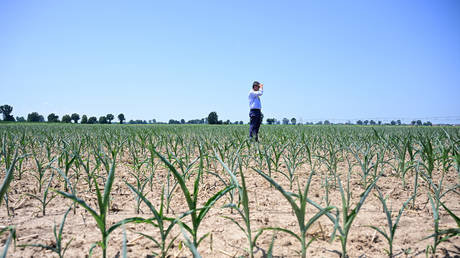
Agricultural zones, vineyards, and peripheral rural spaces present distinct physical security vulnerabilities compared to controlled urban environments or secure residential complexes.
Spatial Risk Variables
- Perimeter permeability: Open-access boundaries prevent effective ingress control or access logging.
- Communications degradation: Remote topologies frequently feature cellular dead zones, nullifying panic button utility and emergency dispatch response times.
- Surveillance deficits: Absence of closed-circuit telemetry eliminates post-incident forensic pathways and removes deterrence mechanisms.
When an individual transitions from a hardened asset like a private residence or commercial studio to an unstructured outdoor environment, their defense posture drops to zero unless explicitly mitigated by operational security protocols.
Systemic Failures in Creator Risk Management
The modern creator economy lacks standard operating procedures for physical threat mitigation. Traditional entertainment management structures focus on brand monetization, intellectual property protection, and contract negotiation, treating physical safety as an individual responsibility rather than a baseline operational overhead.
The Agentic Disconnect
Management agencies scale output volume while remaining structurally decoupled from physical security logistics. This creates an accountability vacuum:
- Creators operate as independent contractors lacking corporate security infrastructure.
- Financial compensation models reward constant content generation over tactical risk assessment.
- The absence of centralized threat-monitoring software leaves creators defenseless against escalating digital harassment campaigns that precede physical incursions.
Without institutional intervention, risk mitigation defaults to ad-hoc, reactive measures deployed only after a threat vector has already crossed the threshold into direct physical harm.
Quantitative Assessment of Visibility versus Vulnerability
The relationship between follower count and targeted physical risk is non-linear. Exponential growth in audience size increases the probability of encountering statistical outliers with predatory intent.
$$\text{Risk Quotient} = \frac{\text{Digital Footprint} \times \text{Geographic Transparency}}{\text{Physical Security Infrastructure}}$$
When the denominator approaches zero due to a lack of hardening, even moderate digital exposure yields an unmanageable risk coefficient. The investigation into the vineyard homicide underscores this exact systemic vulnerability: an unshielded physical presence intersecting with an unmanaged digital footprint.
Operational Hardening Protocols for High-Visibility Individuals
Mitigating asymmetric physical risk requires transitioning from reactive panic responses to proactive operational security frameworks.
Temporal Dislocation
Content must never be published in real time. Introducing a mandatory time delay between recording and distribution neutralizes the temporal window required for a third party to intercept transit or locate a physical asset.
Asset Hardening
Creators operating in public or semi-public spaces must enforce strict perimeter controls. This includes avoiding solo excursions into isolated environments, utilizing encrypted location-sharing protocols with trusted third-party monitors, and implementing sweep procedures before establishing presence in unstructured zones.
Threat Escalation Thresholds
Digital harassment must be cataloged, categorized, and escalated through law enforcement liaisons using standardized threat-scoring matrices. Dismissing online stalking as an occupational hazard is a systemic failure of risk management.
Institutions representing public-facing talent must mandate physical security audits as a prerequisite for commercial representation, aligning brand growth metrics with rigorous safety infrastructure.
Implement a mandatory delay protocol on all spatial media assets immediately, audit existing third-party access to location metadata, and establish a zero-tolerance escalation threshold for unverified physical approach attempts.