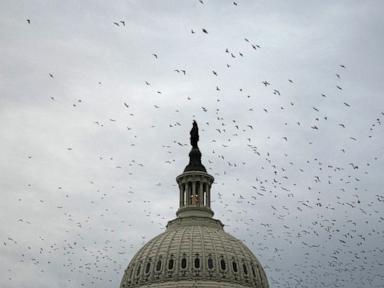
Legislative self-preservation dictates that elected officials will consistently choose temporal displacement over structural reform when confronted with an electoral calendar. The recent passage of the stopgap funding measure, or continuing resolution, by a 370-48 House vote to extend federal operations through December demonstrates a predictable institutional reflex. Rather than engaging in fiscal appropriations combat weeks before midterm polling, both parties elected to defer the budgetary cost function.
This dynamic operates on a clear political utility calculus. A government shutdown introduces chaotic variables into an active campaign environment, threatening constituent services, federal payrolls, and macroeconomic stability at the worst possible moment for incumbents. By executing a legislative punt, leadership removes operational volatility from the electoral arena.
The mechanism of this latest congressional maneuver relies on procedural compression. By bringing the Senate-amended continuing resolution to the floor under a suspension of the rules, House leadership effectively neutralized the amendment process. This fast-track constraint demands a two-thirds supermajority, compressing debate and forcing a binary choice between institutional continuity and self-inflicted fiscal paralysis.
The Three Structural Pressures Driving the Stopgap
- Electoral Risk Aversion: Incumbents across political lines recognize that constituents do not parse the nuanced rationales of appropriation stalemates; they experience only the friction of administrative halts.
- Extraneous Policy Riders: Legislative vehicles of necessity invariably attract unrelated policy attachments. In this instance, the Senate integrated provisions addressing executive branch administrative authority over grant reviews and delayed regulatory reclassifications regarding specific agricultural products.
- Calendar Compression: The proximity of the fiscal year start date relative to the general election creates an artificial deadline that heavily favors short-term patches over protracted negotiations.
Critics of the process, particularly within procedural purist factions, argue that bypassing the traditional committee structure undermines legislative accountability. Members forced to vote on an unamended package containing provisions they fundamentally oppose face a compressed optimization problem. Accepting extraneous riders is the accepted tax for avoiding broader macroeconomic disruption.
The inclusion of language temporarily blocking Office of Management and Budget directives on grant oversight highlights how administrative power struggles are routinely embedded within emergency spending bills. Opponents of the executive rule argue it degrades independent peer review, while proponents defend it as a necessary tool for aligning bureaucratic outputs with executive priorities. These ideological battles are rarely resolved during budget crunches; they are merely postponed.
Similarly, disputes over regulatory timelines for hemp derivatives illustrate how niche industry concerns leverage must-pass legislation. When macroeconomic stability hangs in the balance, minor statutory adjustments hitch a ride on the larger legislative engine because dissenting factions lack the leverage to extract concessions without collapsing the entire vehicle.
The Cost Function of Fiscal Deferral
Kicking the legislative deadline to December creates an immediate downstream consequence. It guarantees that the post-election lame-duck session will inherit a high-stakes fiscal negotiation under compressed timelines. This pattern establishes a recurring structural hazard:
- Short-Term Stability: Immediate market certainty and uninterrupted federal operations.
- Long-Term Accumulation: Unresolved baseline budget caps rolled into high-pressure legislative windows.
- Reduced Oversight: Decreased opportunity for thorough committee-level line-item scrutiny.
The recurrence of these stopgap cycles points to a systemic breakdown in the regular order of appropriations. When the traditional twelve individual spending bills fail to clear both chambers through standard committee markup and floor debate, omnibus packages and continuing resolutions become the default instruments of governance.
Voters evaluating these procedural maneuvers must look past the superficial narrative of bipartisan cooperation. The overwhelming vote count reflects alignment on a single shared interest: shielding campaigns from the fallout of administrative chaos.
To break this cycle, institutional reforms must alter the incentive structure of fiscal deadlines, imposing severe operational penalties for failing to pass regular appropriations on schedule. Until those mechanics change, temporal displacement remains the rational choice for risk-minimizing legislators.
House passes bill to avert a government shutdown ahead of midterm elections provides direct context on the legislative mechanics and political motivations behind the recent continuing resolution vote.