Geopolitical crises frequently follow predictable econometric trajectories, transitioning from kinetic friction to diplomatic bargaining under the weight of resource constraints. The recent decision by Washington to pause a thirteen-day campaign of continuous airstrikes against Iranian infrastructure, coinciding with direct mediation by Omani officials in Tehran, demonstrates a calculated shift in strategic posture rather than a sudden softening of objectives. Observers tracking media coverage of these events often mistake tactical pauses for permanent de-escalation. Analyzing the structural realities behind the recent cessation reveals an operational shift driven by logistical limits, maritime choke point vulnerabilities, and precise diplomatic signaling.
To understand why the air campaign halted after nearly two weeks of sustained operations, one must examine the operational cost function governing modern aerial bombardments. Continuous air and missile operations exact a severe toll on high-value interceptor stockpiles and precision munitions inventory. When the expenditure rate of defensive air defense missiles outpaces industrial replenishment capacity, political leadership faces an immediate inventory constraint. This structural limitation creates an inflection point where military planners must reassess the marginal utility of continued strikes against the rising cost of inventory depletion.
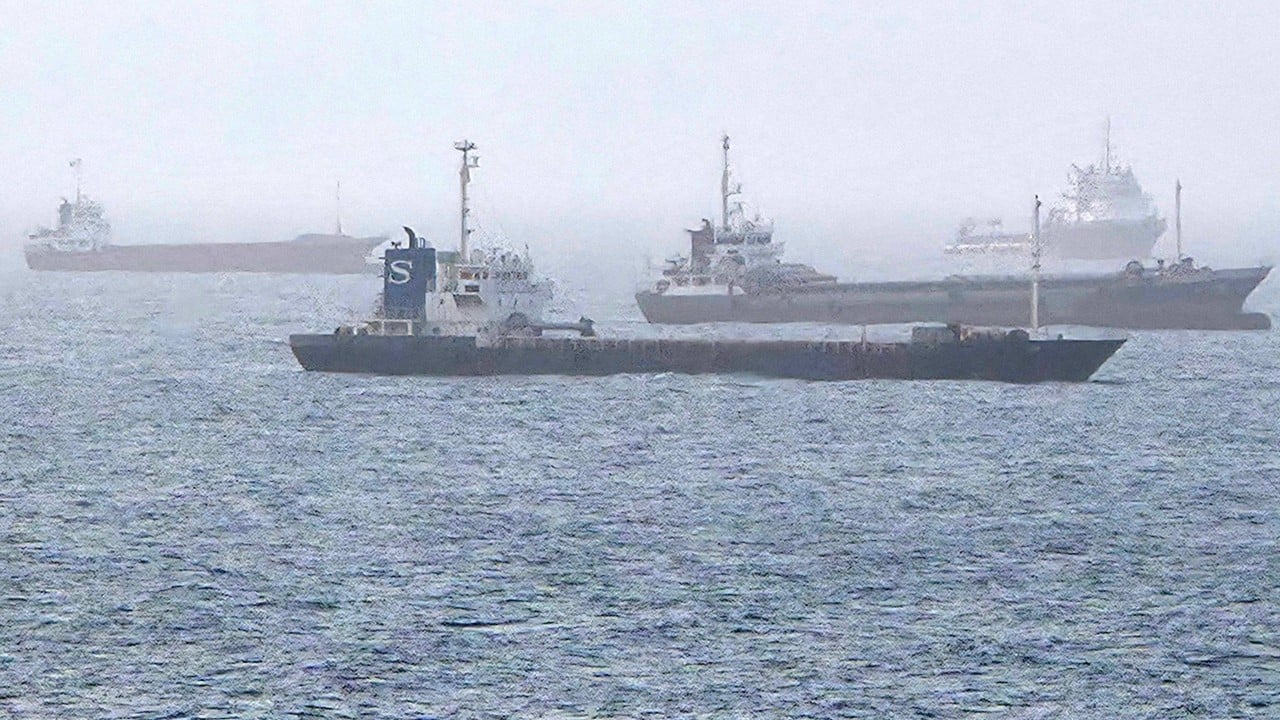
Concurrently, the economic mechanics of the Strait of Hormuz dictate the parameters of state behavior on both sides of the conflict. As a critical chokepoint carrying a significant percentage of global petroleum transit, any disruption to maritime traffic produces immediate shockwaves across international energy markets. Tehran's strategy relies on leveraging this geographical choke point to impose systemic costs on global trade, while Washington enforces a naval blockade to suppress Iranian maritime capabilities.
Oman's diplomatic intervention functions as a classical channel for friction reduction. Operating as a trusted regional intermediary, the Omani delegation traveled to Tehran to negotiate operational mechanisms governing shipping management and safe transit corridors. These talks address the core friction points:
- Establishing verifiable protocols for commercial vessel movement through contested territorial waters
- Decoupling maritime security from broader regional proxy conflicts
- Creating a de-confliction framework that allows Washington to suspend kinetic operations without losing deterrence credibility
The intersection of Omani mediation and the suspension of aerial operations highlights the delicate mechanics of asymmetric bargaining. Iran's willingness to engage in technical talks regarding shipping management stems from the compounding pressures of naval interdiction and internal economic stress. Conversely, the United States pauses strikes to test whether structured diplomatic pathways can yield operational concessions regarding maritime access without requiring a permanent expansion of military commitments.
Distinguishing between known operational facts and strategic hypotheses clarifies the limits of the current diplomatic window. It is a documented fact that Omani officials held direct meetings in Tehran and that the subsequent thirty-six-hour window observed a complete halt to American airstrikes. However, whether these talks will produce a formal, binding agreement on reopening the strait remains an open hypothesis dependent on domestic political tolerances in both capitals. Neither side has abandoned its core security posture; rather, both are testing the efficacy of transactional diplomacy under the shadow of ongoing naval blockades.
Navigating this complex environment requires recognizing that a temporary halt in hostilities does not equate to structural resolution. The underlying drivers of the conflict—disputes over regional influence, maritime transit rights, and missile capabilities—remain entirely intact. Any operational strategy built on the assumption of permanent peace following a regional diplomatic breakthrough overlooks the reality of structural deterrence.
The immediate operational play moving forward depends entirely on the enforcement mechanisms agreed upon during the Omani-led mediation sessions. If technical protocols for commercial shipping are formalized and verified, a phased reopening of regional waterways could stabilize energy markets and prevent further escalation. Conversely, if negotiations stall over enforcement jurisdiction, kinetic operations will likely resume with intensified force, governed once again by the unforgiving economics of military logistics and strategic chokepoint control.