Municipal health and public safety systems fail at the intersection of acute substance intoxication, psychiatric distress, and homelessness. Historically, cities have defaulted to two high-cost, low-yield containment mechanisms: police holding cells and hospital emergency departments. Neither environment possesses the specialized capacity to manage non-criminal, highly volatile crises simultaneously driven by chemical dependence and social instability. The introduction of the Complex Needs Emergency Shelter (CNES) model in Saskatoon, Saskatchewan—operated under a provincial micro-allocation framework—serves as a structural intervention designed to disrupt this operational bottleneck.
To evaluate whether this model represents a scalable systemic shift or merely a localized pressure valve, we must deconstruct its operational mechanics, financial trade-offs, and systemic limitations. Also making news in this space: The Anatomy of Extreme Longevity A Systems Analysis of Shigeko Kagawa.
The Tri-Zonal Demand Function of Municipal Crises
The necessity of a specialized diversion facility stems from a fundamental mismatch between patient needs and institutional design. When an individual exhibiting severe public intoxication and disruptive behavior enters the municipal system, they generate demands across three distinct operational zones.
                  ┌───────────────────────────────┐
                  │   Municipal Crisis Demand     │
                  └───────────────┬───────────────┘
                                  │
         ┌────────────────────────┼────────────────────────┐
         ▼                        ▼                        ▼
┌─────────────────┐      ┌─────────────────┐      ┌─────────────────┐
│   Psychiatric   │      │    Clinical     │      │   Operational   │
│  Stabilization  │      │   Supervision   │      │    Security     │
└─────────────────┘      └─────────────────┘      └─────────────────┘
- Psychiatric Stabilization: The requirement for a de-escalating environment devoid of sensory triggers like sirens, handcuffs, and clinical chaos.
- Clinical Supervision: The necessity of continuous vitals monitoring, withdrawal management, and acute medical triage.
- Operational Security: The requirement for a secure, controlled perimeter to protect the individual from self-harm and ensure the safety of the surrounding community.
When police cells absorb this demand, they fulfill the security requirement but fail entirely at clinical supervision and stabilization, converting law enforcement officers into untrained triage nurses. Conversely, when emergency departments absorb the individual, they provide clinical supervision but suffer severe efficiency losses. Emergency rooms are designed for rapid triage, stabilization, and disposition; they become logistically paralyzed when forced to act as multi-hour sobering units for uncooperative or non-communicative patients. Further insights regarding the matter are covered by Psychology Today.
The Mechanics of Closed-Loop Custody Diversion
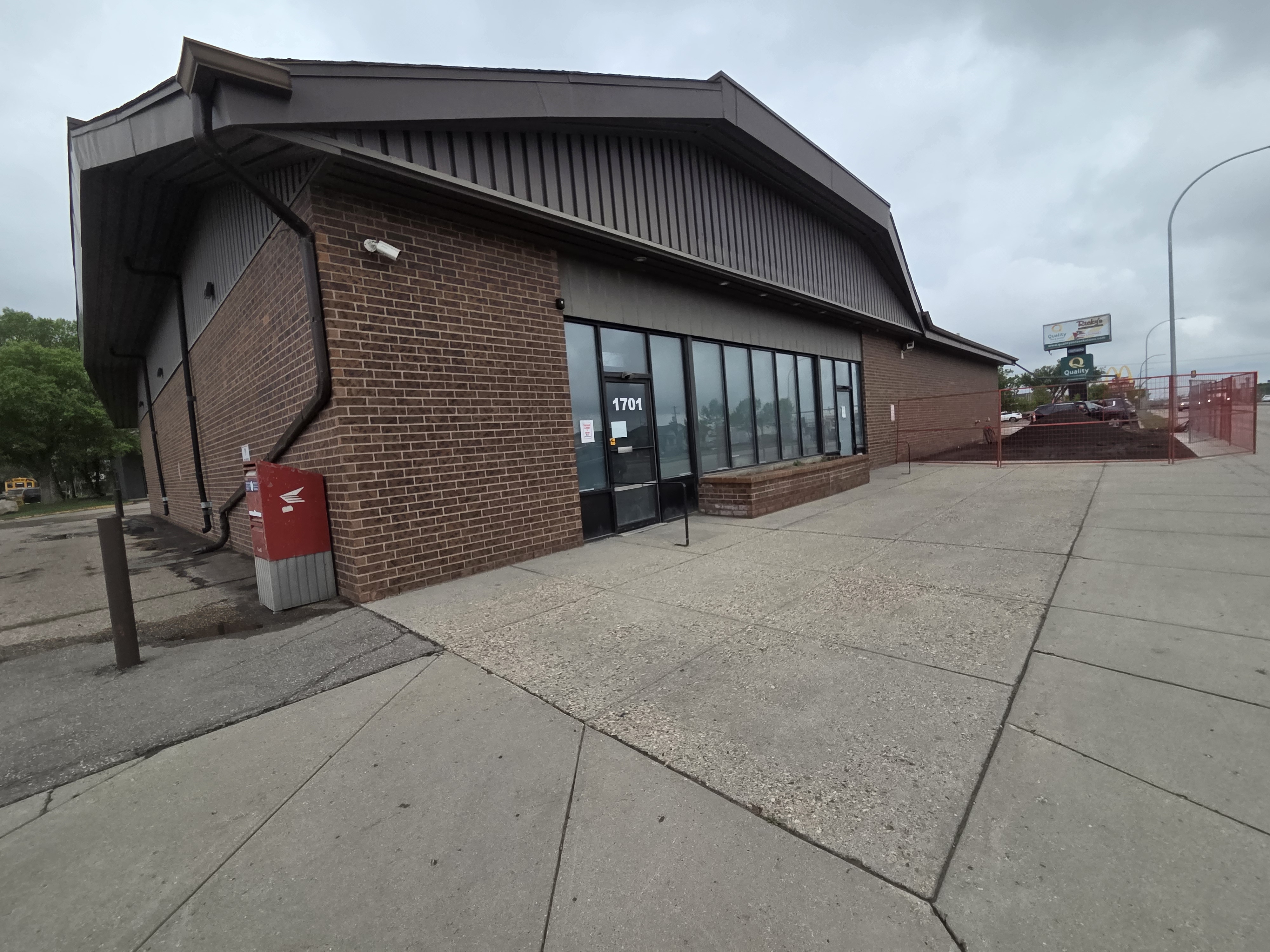
The Saskatoon CNES operates at 1701 Idylwyld Drive North within a strict, non-voluntary operational framework. Understanding its gatekeeping mechanics is crucial to assessing its systemic impact.
Intake Restrictions and Legally Mandated Entry
Unlike standard emergency shelters or harm reduction drop-in centres, the CNES completely bars self-referral and walk-in admissions. Entry is exclusively controlled by law enforcement via the Summary Offences Procedure Act. Police officers who encounter an individual who is intoxicated and presenting a clear danger to themselves or the public can bypass formal criminal processing or emergency department drop-offs, executing a direct transfer to the CNES. This legal architecture protects the facility's 15-bed capacity from being absorbed by general housing-insecure populations, preserving every bed for acute diversion.
The 24-Hour Clinical Containment Window
Upon intake, the individual enters a highly managed 24-hour stabilization protocol. The clinical staffing matrix includes onsite nurses experienced in acute withdrawal management, on-call physicians for targeted medical consultations, and dedicated security personnel trained in trauma-informed de-escalation. The operational objective is entirely stabilization and risk mitigation: normalizing vital signs, mitigating acute behavioral volatile episodes, and preventing the onset of severe withdrawal symptoms like delirium tremens or drug-induced psychosis.
The Warm Hand-off Discharger Matrix
The critical systemic value of the facility is executed during the final hours of the 24-hour window. The CNES is structurally designed to prevent a return to the street environment through an active transition protocol. Staff execute a direct, warm hand-off to secondary and tertiary support networks:
- Medical Detoxification: Direct transfer to provincial detox facilities for structured withdrawal management.
- Long-Term Addictions Treatment: Sourcing and immediate transport to inpatient rehabilitation programs.
- Social Infrastructure: Direct placement within supportive housing environments or connections with income assistance.
Quantifying the Deflection Matrix: The Financial Trade-Offs
The provincial allocation for the Regina and Saskatoon facilities totals $9.6 million for an initial 18-month operational cycle, translating to roughly $3.2 million annually per 15-bed facility. To assess the fiscal viability of this expenditure, the cost function must be contrasted against the operational deficits of traditional systemic failures.
| Metric / Operational Variable | Police Detention Cell | Hospital Emergency Department | Complex Needs Facility (CNES) |
|---|---|---|---|
| Primary Staffing Cost Driver | Constables / Detention Officers | Emergency Physicians / ER Nurses | Psychiatric Nurses / Addictions Counselors |
| Average Length of Stay | 8 to 12 hours | 6 to 18 hours | 12 to 24 hours |
| Systemic Opportunity Cost | Patrol unit downtime; delayed response times | Bed-blocking; extended ambulance offload delays | Zero (Optimized specialized capacity) |
| Downstream Efficacy | High recidivism; zero therapeutic linkage | High recidivism; cyclical acute presentations | Structured warm hand-offs to housing/detox |
The true return on investment of a complex needs shelter is realized by recapturing lost capacity within law enforcement and emergency medical services. When a patrol unit responds to an incident involving public intoxication, a standard emergency room drop-off or booking process can sideline two officers for multiple hours due to wait times and intake paperwork.
The CNES streamlines this transfer protocol, returning police units to active patrol in minutes. Over a multi-year period involving thousands of diverted individuals, this operational optimization claws back thousands of patrol hours, effectively expanding municipal police capacity without requiring additions to the headcount.
The Recidivism Paradox and Systemic Vulnerabilities
While the immediate operational data from Saskatoon indicates successful diversion metrics—shifting thousands of individual stays away from cells and emergency rooms—the model faces critical structural vulnerabilities that limit its long-term efficacy.
The Downstream Capacity Bottleneck
A 24-hour stabilization facility is fundamentally dependent on the capacity of the infrastructure surrounding it. If a CNES clerk attempts to execute a warm hand-off for an individual ready for discharge, but municipal detox centers are operating at 100% capacity and supportive housing waiting lists span several months, the system stalls.
Without immediate downstream placement, the individual is discharged back into the exact environmental conditions that triggered the initial crisis. This structural deficit transforms the facility from a transition pipeline into an expensive, revolving-door sobering station.
The Cycle of Habitual Admissions
Operational observations confirm that a segment of the target demographic utilizes the facility on a highly repetitive basis. System operators argue that frequent readmissions are beneficial because each contact provides an additional opportunity to build therapeutic trust and lower the barrier to eventual recovery.
From an analytical standpoint, however, a high concentration of repeat admissions among a small pool of chronic users indicates that 24-hour stabilization is insufficient to alter the trajectory of severe, deep-seated substance dependence.
┌────────────────────────────────────────────────────────┐
│               The Revolving-Door Feedback Loop         │
└───────────────────────────┬────────────────────────────┘
                            │
                            ▼
               ┌─────────────────────────┐
               │  Police Drop-off (SOPA) │
               └────────────┬────────────┘
                            │
                            ▼
               ┌─────────────────────────┐
               │ 24-Hour Stabilization   │
               └────────────┬────────────┘
                            │
                            ▼
               ┌─────────────────────────┐
               │ Attempted Warm Hand-off │
               └────────────┬────────────┘
                            │
            ┌───────────────┴───────────────┐
            ▼                               ▼
  [Downstream Capacity]           [No Downstream Bed]
            │                               │
            ▼                               ▼
┌───────────────────────┐       ┌───────────────────────┐
│ Long-Term Recovery /  │       │ Street Discharge /    │
│  Systemic Resolution  │       │ Immediate Recidivism  │
└───────────────────────┘       └───────────┬───────────┘
                                            │
                                            └─────────────────── Loop Back to Start
The Involuntary Treatment Policy Shift
The limits of short-term voluntary intervention have driven distinct policy evolutions. The introduction of legislative frameworks aimed at court-ordered, involuntary treatment for individuals with severe addictions represents a fundamental shift in the systemic approach.
Within this evolving architecture, the CNES model ceases to be a purely voluntary touchpoint. Instead, it functions as the frontline diagnostic and stabilization filter, identifying individuals whose persistent recidivism and cognitive decline mark them as candidates for higher-tier, state-mandated medical interventions.
Strategic Recommendation for Municipal Infrastructure Design
For municipal and regional governments seeking to replicate the Saskatoon CNES framework, deployment must reject the assumption that a specialized shelter is a standalone solution. To avoid creating an expensive operational bottleneck, cities must execute a synchronized capital and operational strategy.
First, the development of a complex needs facility must be explicitly paired with a proportional expansion of long-term detoxification and transition beds. The operational budget of the stabilization facility should dynamically fund priority-access beds within local treatment networks to ensure that the warm hand-off protocol functions with minimal friction.
Second, data collection must shift focus away from aggregate diversion numbers—which can easily mask systemic failures through high repeat-user metrics—and prioritize tracking individual longitudinal trajectories. Success must be measured by the reduction in the frequency of system touches per chronic user over a 12-month trailing period.
Without these structural integrations, a complex needs facility remains a highly professionalized, medically supervised band-aid—essential for mitigating immediate emergency room crises, but incapable of structurally resolving the underlying systemic failure.