We have officially entered a dangerous new phase in the war with Iran. What started as targeted strikes on military installations has morphed into a systematic, high-stakes campaign to break Iran's physical infrastructure. Over the last few days, and culminating in a wave of pre-dawn strikes on Friday, July 17, 2026, the US military has started dropping precision munitions on Iran's highway system, its railway corridors, and its state-of-the-art civil engineering projects.
If you are trying to understand why a superpower is suddenly using million-dollar stealth aircraft to blow up concrete highway overpasses in southern Hormozgan province, the answer is simple: the Strait of Hormuz. Tehran still has a chokehold on the world's most critical energy transit corridor, and Washington is running out of patience. For a different perspective, read: this related article.
But using infrastructure destruction as a blunt instrument of economic coercion is a historically risky gamble. Instead of forcing Iran to back down, this aggressive escalation is already triggering a dangerous ripple effect across the Persian Gulf, threatening to pull neighboring states directly into the line of fire.
The Strategic Geography of the Hormozgan Bridge Campaign
To understand the scale of these strikes, you have to look at the map of southern Iran. The Islamic Republic relies on a highly centralized shipping and logistics network. The vast majority of its commercial goods flow through Bandar Abbas, a massive port city sitting right on the narrowest point of the Strait of Hormuz. Related coverage on this trend has been shared by NBC News.
Because of the rugged, mountainous terrain of the Iranian interior, only a few major arteries connect this coastal hub to Tehran and the industrial heartland. If you sever those arteries, you paralyze the country.
That is exactly what the US military attempted to do early Friday morning. According to reports from the region, American jets hit at least six strategic bridges in Hormozgan province.
- The Bandar Khamir Chokepoint: Strikes hit highway and railway bridges in the coastal city of Bandar Khamir. The goal here was clear—completely isolate Bandar Abbas from the west.
- The Griveh and Latidan Crossings: These two critical bridges along the Kahurestan-Lar transport route were heavily damaged or destroyed.
- The Bandar Khamir-Kashar-Bandar Abbas Corridor: An unfinished but vital bypass bridge was targeted to prevent the Iranian military from quickly rerouting supply trucks.
- The Maro Village Bridge: Another regional crossing knocked offline, sealing off local bypasses.
These are not random targets. By cutting these bridges, the US is attempting to trap military equipment, commercial cargo, and fuel at the coast, preventing them from moving inland.
At the same time, the US Navy has tightened its maritime blockade, aggressively turning away or disabling commercial vessels attempting to service Iranian ports. It is a textbook siege strategy, adapted for the 21st century.
The Symbolic Destruction of the B1 Bridge in Karaj
While the southern strikes were designed to break logistics, another strike earlier in the week was clearly designed to break the Iranian national spirit.
Just west of Tehran, in the city of Karaj, sits the B1 bridge. It was the pride of Iranian civil engineering—a massive, complex extradosed structure suspended 176 meters above the valley floor. It was built to connect the capital with the northern provinces and was just months away from its grand opening.
It had zero military utility. Yet, US forces hit it with a dozen precision bombs, shearing the massive concrete deck completely in half.
The political theater following the strike tells you everything you need to know about the current American administration's mindset. President Donald Trump took to social media to brag about the destruction, posting video of the collapsed span and warning that "the biggest bridge in Iran comes tumbling down... IT IS TIME FOR IRAN TO MAKE A DEAL BEFORE IT IS TOO LATE".
This is textbook coercive diplomacy, but it ignores how national pride works under pressure. Iranian engineers and civilians gathered at the wreckage, not in fear, but in deep, simmering anger.
When you destroy a nation's proudest civilian achievements, you do not usually convince them to negotiate. You usually convince them that they are fighting an existential war for survival.
The Human Toll and the Collapse of the Ceasefire
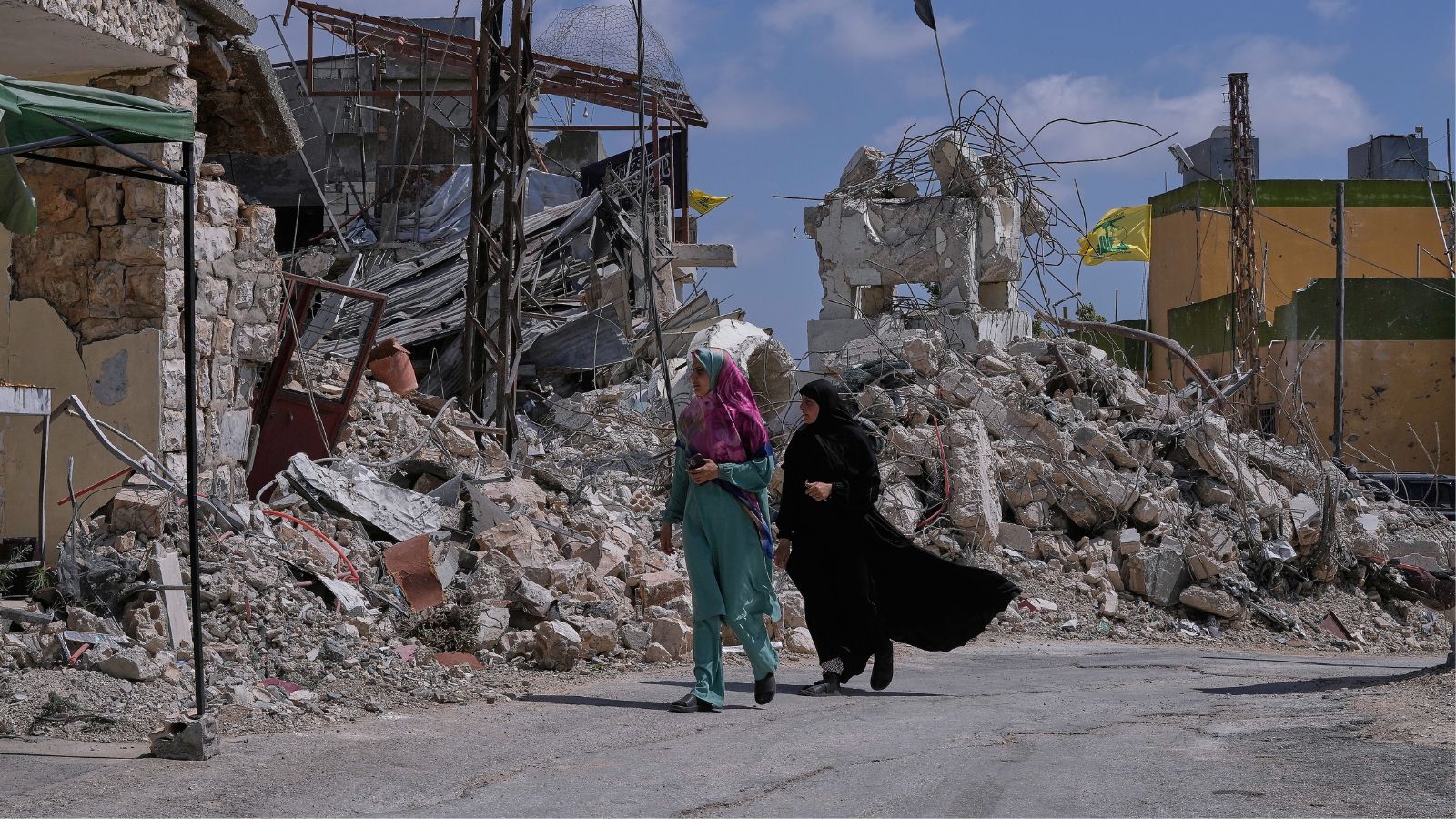
We need to talk about the civilian cost of this strategy, because it is rising fast. The short-lived, fragile ceasefire that was negotiated last month has completely disintegrated. The latest figures from the Iranian Health Ministry, shared by spokesperson Hossein Kermanpour, indicate that the renewed airstrikes have killed at least 38 people and wounded over 400 within Iran.
At least 13 civilians were killed in the B1 bridge strike alone, where families had been picnicking in the valley below when the bombs fell. Another seven died overnight in the bridge strikes around Bandar Khamir.
By shifting targets from airfields and radar stations to civilian infrastructure, the US is walking a razor-thin ethical line. The Pentagon maintains that these strikes are meant to degrade military capabilities and restrict the movement of Islamic Revolutionary Guard Corps (IRGC) assets.
But in reality, a bridge does not check the plates of the vehicles crossing it. When you destroy a highway, you stop the food trucks, the ambulances, and the commercial trade keeping 90 million people afloat.
Iran Strikes Back at the Gulf States
If Washington thought Iran would take these blows quietly, they severely miscalculated. Tehran's response to the bridge campaign was swift, aggressive, and highly destabilizing for the rest of the region.
Instead of trying to fight the US military head-on in the skies, Iran launched massive ballistic missile and drone barrages targeting US-allied nations across the Persian Gulf.
- Qatar Under Fire: On Friday, sirens wailed across Qatar as authorities twice warned the public to take immediate shelter. Air defense batteries fired frantically into the morning sky to intercept a barrage of Iranian missiles aimed at the massive US military hub in the country.
- Targeting the Mediators: The choice of Qatar is particularly brutal. Along with Pakistan, Doha has been one of the primary diplomatic mediators trying to broker a peace deal to end this war. By targeting Qatar, Iran is sending a clear message: there is no neutral ground anymore.
- Bahrain, Kuwait, and Beyond: US installations in Bahrain and Kuwait also faced heavy missile attacks. Air defenses were active as far north as Jordan and the Kurdish region of northern Iraq, where incoming Iranian projectiles rattled cities like Erbil and Sulaymaniyah.
This is the nightmare scenario regional analysts have been warning about since the war began on February 28. Iran is effectively holding the entire Middle East hostage.
Their message to Washington's regional partners is simple: if our infrastructure burns, your cities will burn with us.
The Broken Math of Global Oil and the Strait of Hormuz
Let's look at the cold, hard economics of this conflict. The ultimate prize in this war is control over the Strait of Hormuz. During peacetime, roughly 20 percent of the world's liquefied natural gas and petroleum passes through this tiny, 21-mile-wide waterway.
When the war started, Iran effectively shut down commercial shipping through the strait. It was their ultimate geopolitical trump card, sending global oil prices into the stratosphere and giving them immense leverage.
The US naval blockade was supposed to counter this by choking off Iran's own crude oil exports. But the economic fallout is hitting everyone.
According to data from Lloyd's List Intelligence, cargo transit through the strait had already plummeted by nearly 25 percent early this month. After this latest round of bridge bombings and retaliatory missile strikes, commercial traffic has virtually ground to a halt.
Some desperate shippers are trying to run the gauntlet with their transponders turned off, hoping to slip past both the US blockade and Iranian patrol boats. Most, however, are simply anchoring outside the gulf, unwilling to risk their multi-million-dollar vessels and crews in a hot combat zone.
While some Middle Eastern crude can be diverted through overland pipelines to the Red Sea or the Gulf of Oman, the capacity of those pipelines is a drop in the bucket compared to what normally floats through the strait. The longer this infrastructure war drags on, the more severe the global energy crunch will become.
Why the Infrastructure War Usually Fails
History is littered with military campaigns that tried to bomb an adversary into submission by targeting their civilian infrastructure. From the Allied bombing of German rail networks in World War II to the destruction of bridges during the Vietnam War, the results are almost always the same.
It does not break the population's will to fight. It hardens it.
When Brigadier General Mohammad Akraminia, an Iranian military spokesperson, recently claimed that US airstrikes would not weaken Iran's control over the Strait of Hormuz, he was not just posturing. He pointed out that Iran can target the shipping lanes from anywhere deep within its vast, mountainous territory. You do not need a bridge to launch a mobile anti-ship missile or deploy a swarm of explosive drones.
By destroying these bridges, the US is certainly making life miserable for ordinary Iranians, disrupting their travel, their access to food, and their local economy. But they are also validating the hardline narrative of the Iranian regime, which has spent decades telling its people that the West is bent on the physical destruction of their country.
If the goal is to force Iran back to the negotiating table on favorable terms, blowing up their roads is a crude tool. It leaves Tehran with fewer assets to lose, less incentive to compromise, and every reason to drag the entire global economy down with them.
For those watching this conflict escalate, the immediate priority is finding alternative supply routes and preparing for prolonged volatility in the global energy markets. With the ceasefire dead and the targets shifting to civilian infrastructure, the window for a diplomatic exit is slamming shut.