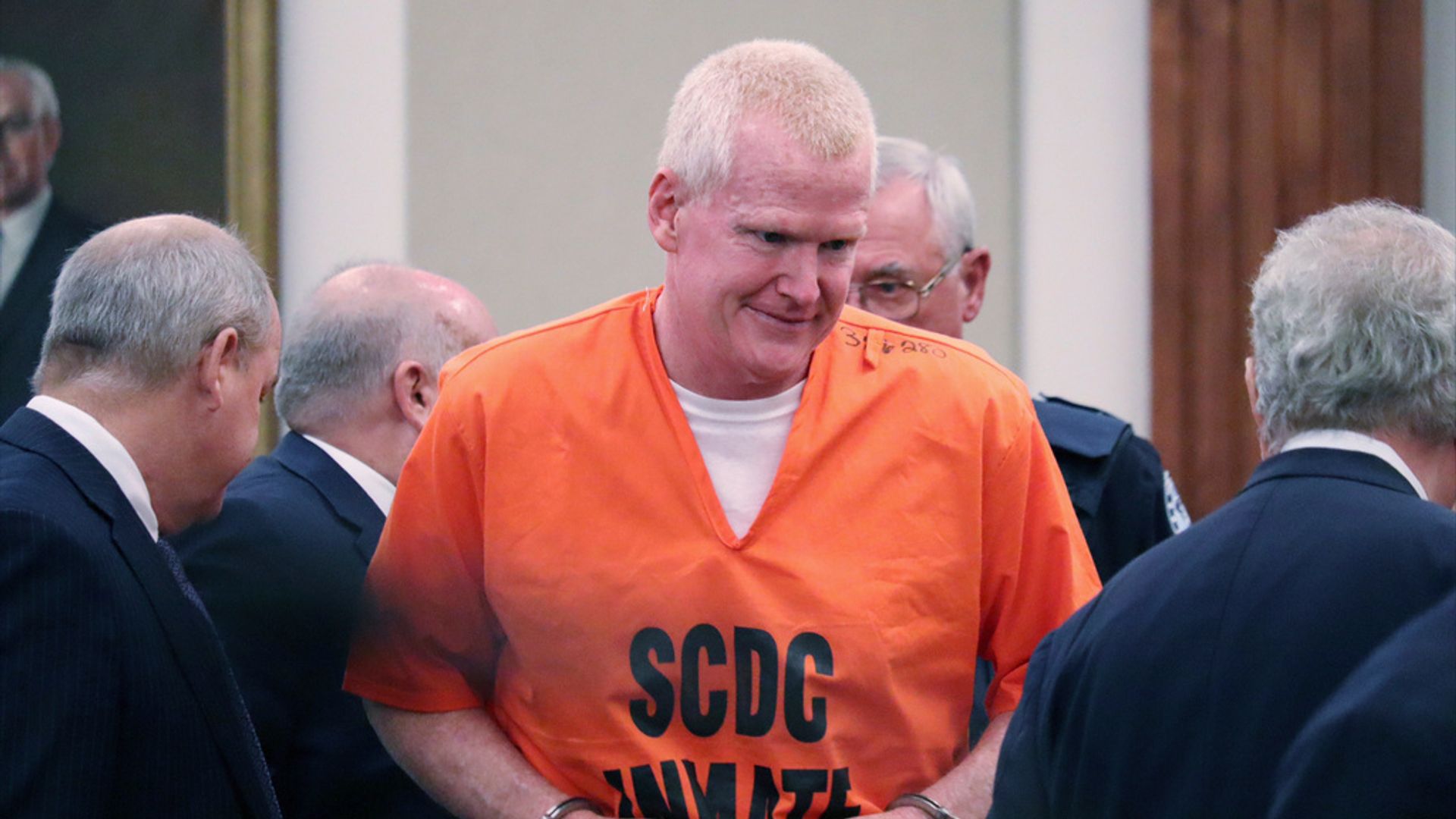
The South Carolina Supreme Court just flipped the script on the most watched legal drama of the decade. Alex Murdaugh, the disgraced scion of a legal dynasty who was serving life for the 2021 murders of his wife, Maggie, and son, Paul, is no longer a convicted murderer in the eyes of the law. This isn't a "get out of jail free" card—he’s still buried under a mountain of financial crimes—but it’s a massive blow to the state's prosecution and a reminder that even the most high-profile trials can collapse under the weight of procedural errors.
If you followed the 2023 trial, you remember the "cell phone video from the kennels" and the "blood spatter" that supposedly sealed his fate. You might’ve felt the case was open and shut. It wasn't. The decision to overturn these convictions hinges on something far more technical and arguably more important than the evidence itself: the right to an impartial jury. When a clerk of court is accused of tampering with the people deciding a man’s life, the whole system rots.
The Becky Hill Factor and Jury Tampering
The center of this reversal isn't Alex Murdaugh’s guilt or innocence. It’s Becky Hill. The former Colleton County Clerk of Court became a minor celebrity during the trial, eventually writing a book about her experience. That book proved to be her undoing and Murdaugh’s lifeline.
Defense attorneys Dick Harpootlian and Jim Griffin argued that Hill pressured jurors to reach a quick guilty verdict to ensure her book would have a "successful" ending. They alleged she told jurors not to be "fooled" by Murdaugh’s testimony and watched their body language with a critical, suggestive eye. In any trial, but especially a double murder trial, the clerk is supposed to be a neutral administrator. They aren't a coach. They aren't a commentator.
The high court’s ruling basically says that if the well is poisoned, you can't drink the water. It doesn't matter if the state thinks they had a "slam dunk." If a state official whispered in the ears of the jury, the verdict is legally void. This is a nightmare for the South Carolina Attorney General’s office, which now has to decide whether to put the grieving family and a weary public through the whole circus a second time.
Why the Kennel Video Wasn't Enough
The prosecution’s star witness was a video found on Paul Murdaugh’s phone. It placed Alex at the scene minutes before the murders occurred, contradicting his initial alibi. It was powerful. It made him look like a liar. But looking like a liar and being a murderer are two different things in a courtroom.
Critics of the original trial often pointed out the lack of physical evidence linking Alex to the actual act of shooting. No murder weapons were ever found. No bloody clothes were recovered. The state relied heavily on "motive"—claiming Alex killed his family to distract from his multi-million dollar embezzlement schemes that were about to come to light.
The defense always maintained this motive made no sense. Why kill the people you love to stop people from finding out you stole money? It didn’t stop the investigation; it intensified it. By overturning the conviction, the court has essentially hit the reset button, forcing everyone to look at these gaps in the story again.
The Financial Crimes Keep Him Behind Bars
Don't expect to see Alex Murdaugh grabbing a steak at a restaurant anytime soon. Even without the murder convictions, he’s still a convicted felon many times over. He pleaded guilty to dozens of counts involving money laundering, breach of trust, and tax evasion. He admitted to stealing millions from his own law firm and, most heartlessly, from the family of his late housekeeper, Gloria Saffold.
He’s currently serving a 40-year federal sentence for those crimes, plus additional state time. The murder charges were the "prestige" part of the downfall, the part that made for Netflix documentaries. The financial crimes are the ones that actually have the paper trail. He’s a broke, disgraced man who will likely die in prison regardless of what happens with a murder retrial.
What Happens in a Retrial
If the state decides to go again, the landscape is different. Both sides now know every card the other holds. The defense knows exactly how to poke holes in the cell tower data. The prosecution knows they need to find a way to explain the lack of DNA evidence more effectively.
A second trial would likely be moved out of Colleton County. The "Murdaugh" name used to mean power in the Lowcountry; now it means toxicity. Finding twelve people who haven't formed an opinion on Alex Murdaugh is like trying to find someone who hasn't heard of the sun. It’s nearly impossible.
The state has to weigh the cost. These trials cost taxpayers millions. They take months. They exhaust the resources of the court system. But for the victims—Maggie and Paul—justice remains unsettled. The state will argue that a "technicality" regarding a clerk shouldn't let a killer off the hook. The defense will argue that a trial without integrity is no trial at all.
The Precedent for South Carolina Law
This ruling sends a terrifying message to court officials across the country: stay in your lane. The ego of a court clerk who wanted to be an author has potentially derailed the biggest case in South Carolina history. It’s a lesson in the fragility of the American legal system.
The court isn't saying Murdaugh is innocent. They’re saying the process was broken. In our system, the process is supposed to be sacred. When we ignore the rules to get the "right" result, we stop being a society of laws.
If you're following this, stay tuned for the prosecution's next move. They have a short window to announce a retrial. If they go for it, expect a more aggressive defense and a much more cautious judge. The world will be watching, but the novelty has worn off. Now, it’s just a grim slog through the remains of a ruined family and a compromised legal process.
Check the local dockets for the South Carolina 14th Circuit. The state’s filing regarding a new trial date or a potential plea deal—though unlikely for murder—will be the next major indicator of where this ends. Watch the "Notice of Intent" filings from the Attorney General’s office over the next 30 days. That’s where the real news will break.