An Alberta judge just hit the brakes on the controversial petition for a separation referendum. It's a move that has sparked immediate debate across the province. This isn't just about paperwork or administrative hurdles. It’s a moment that highlights the deep friction between grassroots political movements and the rigid legal framework of the Alberta Election Act. If you’ve been following the "Free Alberta" or "Wexit" movements, you know this petition was meant to be their biggest tool for change. Now, it’s stuck in legal limbo.
The court's decision to grant a temporary pause on the petition process isn't an outright ban. However, it effectively halts the momentum of organizers who were racing against the clock to collect hundreds of thousands of signatures. In Alberta, the rules for citizen-led referendums are incredibly strict. You don’t just need a few names. You need a massive percentage of the population to sign on the dotted line within a very tight window. This pause changes the math entirely.
Why the Court Intervened Right Now
The legal system usually stays out of the way of political petitions until they’re finished. This time was different. The judge stepped in because of concerns regarding the clarity of the petition’s language and whether the organizers were following the specific requirements laid out in provincial law. Elections Alberta has a very narrow set of criteria for what makes a petition valid. If the question being asked is deemed misleading or if the technical collection process is flawed, the whole thing can be tossed out.
A pause allows the court to review these challenges before more time and money are spent. It's about preventing a situation where 500,000 people sign a document that is legally worthless from the start. Critics of the pause argue it’s an undemocratic interference. Supporters say it's necessary to ensure that if a referendum ever happens, it stands on a solid legal foundation.
The reality is that Alberta's Referendum Act and Election Act are designed to be difficult. They aren't meant to make separation easy. They are meant to ensure that any move toward such a massive constitutional change is backed by a clear, undeniable mandate. When those rules aren't followed to the letter, judges find themselves forced to act.
The Massive Logistics of an Alberta Petition
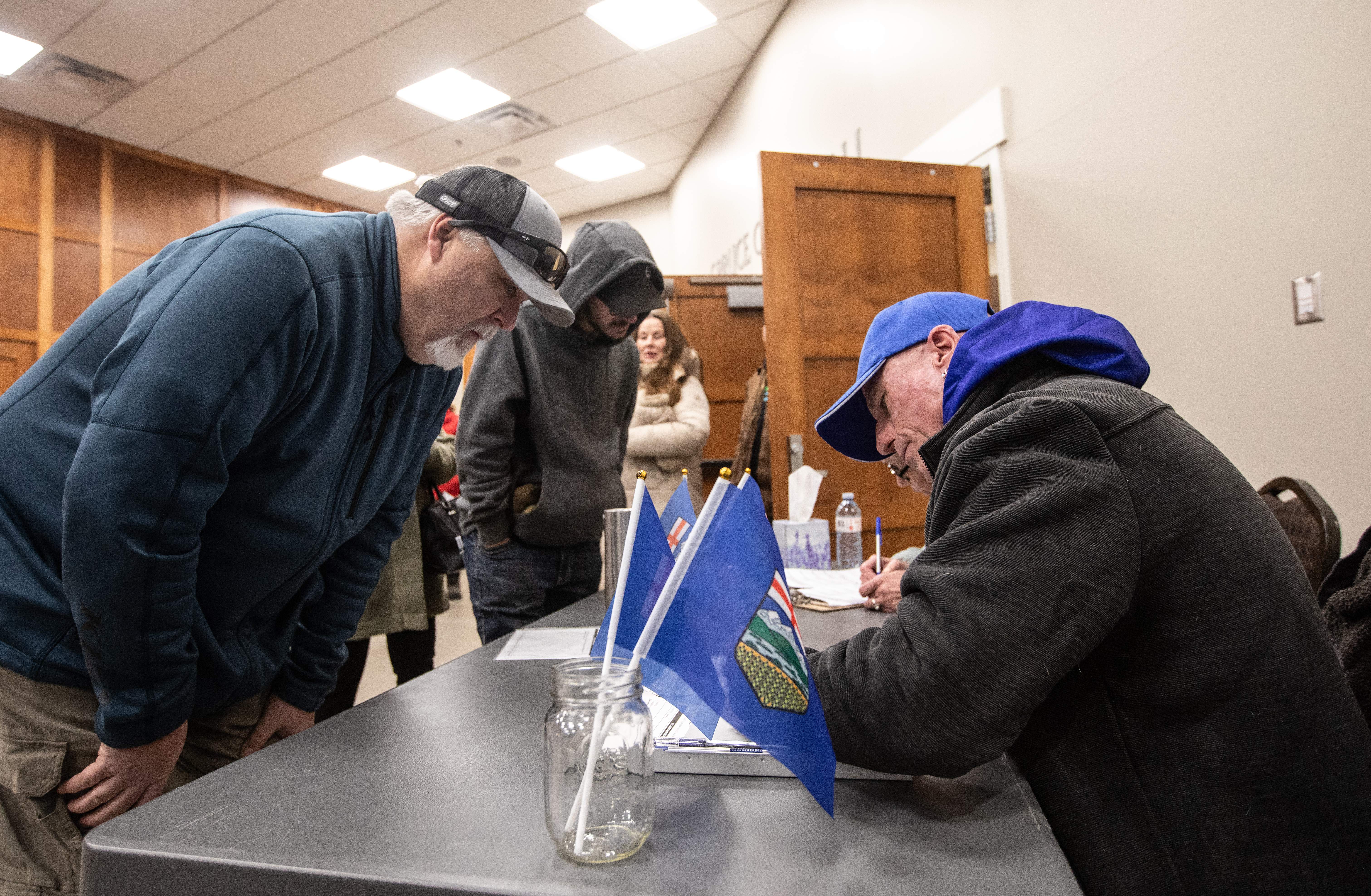
Most people don’t realize how hard it is to actually get a referendum on the ballot through a petition. You need signatures from 20% of the electors in the province. In Alberta, that’s roughly 800,000 people. You have 90 days to do it. Think about that for a second. You have to convince nearly a million people to sign a physical document in three months.
Organizers have been using every tool available. They’ve set up tables at rodeos, organized rallies, and used social media to coordinate volunteers. But even with high levels of regional frustration with the federal government, those numbers are a mountain. This legal pause doesn't just stop the clock; it breaks the rhythm. In a 90-day sprint, every lost week is a disaster for the organizers.
The pause also affects the funding and volunteer morale. People are less likely to spend their Saturday afternoon outside a grocery store with a clipboard if they aren't sure the signatures will even count. The organizers now have to pivot from a ground game to a courtroom game. That’s a shift that requires lawyers, not just passionate volunteers.
What Happens to the Separation Movement Today
Separation isn't a new idea in Western Canada, but it’s gained a lot of steam recently. The movement is fueled by a sense that the federal government in Ottawa doesn't respect Alberta’s economic contributions, specifically in the oil and gas sector. Whether you agree with the sentiment or not, the frustration is real and widespread.
This court order will likely be framed by separation advocates as another example of "the system" working against Alberta’s interests. It provides a new talking point. Expect to hear a lot about "judicial overreach" in the coming weeks. For the provincial government, this pause is a bit of a relief. While the current UCP leadership often plays hardball with Ottawa, a formal separation referendum is a chaotic prospect that could spook investors and complicate inter-provincial trade.
The legal challenge likely centers on three main points:
- The specific wording of the question regarding "independence."
- The verification methods used for digital versus physical signatures.
- Whether the petition properly informs signees of the potential consequences.
If the court finds the petition is flawed, the organizers might have to start over from scratch. That would be a massive blow to their timeline. If the judge clears the petition to proceed, the organizers will likely ask for the "paused" time to be added back to their 90-day window.
The Legal High Bar for Constitutional Change
Canada’s constitution doesn't have a simple "exit" button. The Supreme Court of Canada made that clear years ago during the Quebec sovereignty debates. Any province wanting to leave would need to negotiate with the rest of the country. A petition in Alberta is just the first step in a very long, very painful process.
The judge in this case is looking at the Election Act through a very specific lens. The law requires that petitions for a referendum must be "in the public interest" and meet strict formatting standards. This isn't just bureaucracy for the sake of it. It’s about ensuring that the democratic process isn't hijacked by poorly worded or confusing initiatives.
If you're an Albertan who wants to see this move forward, you should be checking the official updates from Elections Alberta. Don't rely on social media groups for legal timelines. The court's final ruling on this pause will determine if the movement has a path forward this year or if they’re going back to the drawing board.
The next step for anyone involved is to wait for the written reasons from the judge. Once those are released, the legal teams for both the province and the petition organizers will have to argue the merits of the petition itself. If you've already signed, your signature is essentially on ice. If you haven't, you likely won't see a petitioner at your door until this legal hurdle is cleared. Keep an eye on the court docket for the next hearing date, as that will be the moment we know if the Alberta separation movement is still moving or if it’s been stopped in its tracks.