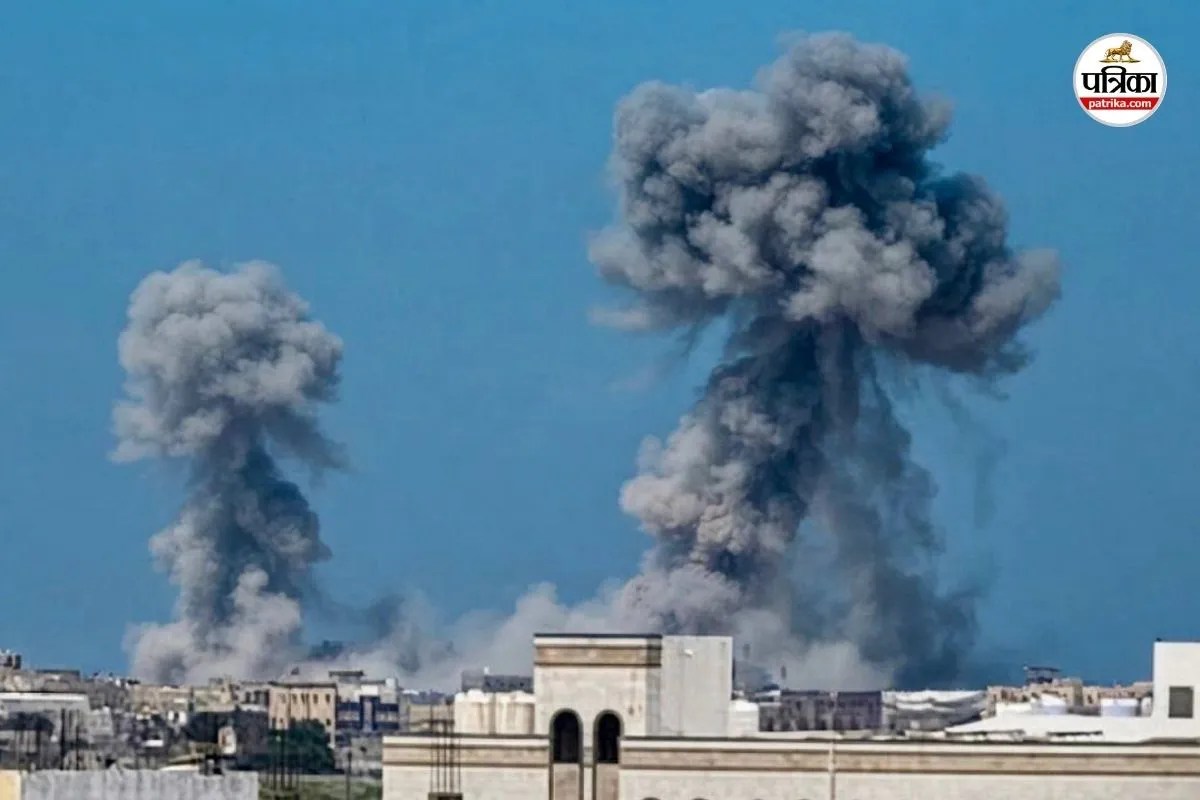
Every headline regarding the recent Houthi drone and missile barrage on Yemen's Al Mokha port reads from the exact same tired script. Analysts scream about supply chain collapse, shipping insurance spikes, and regional escalation. They treat the strike as a tactical anomaly, a random flash of violence erupting in an isolated Red Sea terminal.
They are entirely wrong.
I have spent the last decade tracking maritime logistics risk and geopolitical choke points. When warehouses burn in Al Mokha, the media sees a fire. I see a calculated stress test of global trade resilience. The lazy consensus assumes that a targeted missile strike on a secondary Yemeni port is merely about regional posturing or disrupting local aid routes. That perspective misses the broader economic mechanics entirely. The attack on Al Mokha is not a localized tactical strike; it is an optimization test against the fragile architecture of international maritime corridors.
The Flawed Premise of Maritime Vulnerability
Look at the standard questions dominating search queries and media briefings right now. People ask how long shipping lanes will remain closed or how much higher container freight rates will climb. These are the wrong questions. They assume the system is static and simply absorbing blows.
The real question we should be asking is how quickly modern logistics networks can route around physical destruction without completely breaking down.
When missiles hit port infrastructure, the knee-jerk reaction across financial markets is panic. Insurance underwriters instantly recalibrate risk models, hiking war-risk premiums for vessels transiting the Bab el-Mandeb strait. Shipping lines reroute their mega-container vessels around the Cape of Good Hope, adding thousands of nautical miles and weeks of transit time to voyages connecting Asia with Europe.
Conventional wisdom frames this as an unmitigated disaster for global commerce. The truth is more cynical and far more interesting.
The Economics of Chaos
Major logistics conglomerates do not merely survive disruption; many quietly profit from the systemic friction it creates. Longer transit times absorb excess vessel capacity, keeping freight rates artificially elevated long after pandemic-era supply gluts should have crushed them. When supply chains slow down, inventory carrying costs rise, forcing modern manufacturing to rethink just-in-time delivery models.
Yet, the market adapts with ruthless efficiency.
Al Mokha is not Rotterdam or Singapore. It is a secondary node handling specific regional flows. Striking its warehouses inflicts localized pain, but global trade does not grind to a halt because a regional transit hub takes a direct hit. The resilience of the modern supply chain lies in its redundancy—a redundancy that panic-driven headlines consistently ignore to chase clicks.
Let us define the actual mechanics at play here. When maritime assets face persistent kinetic threats, shipping operators employ dynamic routing algorithms linked to real-time naval intelligence feeds. They do not guess; they calculate exact risk probabilities per nautical mile. The Houthi strategy relies on psychological impact matching physical destruction. By amplifying the fear of transit, they achieve strategic objectives far exceeding the actual kinetic payload delivered by drones or missiles.
Dismantling the Expert Consensus
Listen to any geopolitical pundit talk about Yemen, and you will hear endless chatter about deterrence, freedom of navigation, and naval patrols. What you will rarely hear is an honest admission about the limits of military deterrence in securing commercial shipping lanes against asymmetric, low-cost threats.
I have seen corporations spend millions on high-end predictive risk software, only to watch senior leadership panic and freeze the moment a single warehouse catches fire in the Gulf of Aden. The disconnect between theoretical risk management and real-world execution is staggering.
The contrarian truth is this: the physical infrastructure of ports like Al Mokha is surprisingly dispensable in the grand calculus of international trade. Cargo flows like water; it finds the path of least resistance or highest margin. If one terminal is compromised, volume shifts to alternative berths, lightering operations, or overland corridors.
The vulnerability is never the physical port itself. The vulnerability is the psychological fragility of the market actors who panic at the first sign of smoke.
What Actually Works
If you manage supply chain risk or oversee international trade exposure, stop reacting to every flashpoint with defensive paralysis. The correct response to regional kinetic strikes involves three uncompromising steps:
First, audit your tier-two and tier-three suppliers for maritime transit concentration risk. If your entire inventory pipeline relies on a single strait, you deserve the margin compression coming your way.
Second, separate short-term noise from structural shifts. A burning warehouse in Al Mokha is a localized tactical event. The permanent weaponization of commercial shipping lanes by non-state actors is a structural shift. Build your operational buffers for the latter, not the former.
Third, ignore the media panic cycle. The goal of asymmetric attacks is amplification through media coverage. When analysts treat every minor port strike as an existential threat to global capitalism, they become unwitting multipliers for the aggressor's strategy.
The fire at Al Mokha will be extinguished, the warehouses will be rebuilt or bypassed, and container ships will continue navigating the treacherous waters of geopolitical reality long after the pundits have moved on to their next manufactured crisis.