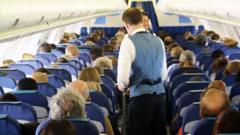
Air rage isn't just getting worse. It's evolving.
We've all seen the viral videos. Passengers screaming at gate agents. Rowdy travelers punching flight attendants. People trying to rip open cabin doors at 35,000 feet. For years, individual airlines handled these disruptions internally. A flyer gets unruly on one carrier, gets banned by that specific airline, and simply buys a ticket on a competitor the next day.
That broken system might finally disappear. Aviation authorities and airline coalitions are pushing a new proposal to create a unified, industry-wide blacklist. If you get banned by one airline, you get banned by all of them.
It sounds like common sense. Yet, implementing a universal no-fly list for disruptive passengers is a legal and logistical nightmare. Here is what is actually happening behind the scenes, why the current setup fails, and what this means for your next flight.
The Real Cost of Flying With Aggressive Travelers
Airlines aren't proposing this industry-wide blacklist out of sudden benevolence. They're doing it because the status quo is costing them millions of dollars and pushing flight crews to their breaking points.
According to data from the International Air Transport Association (IATA), reported unruly passenger incidents shot up significantly post-pandemic and have plateaued at an unacceptably high rate. We are talking about one incident for every few hundred flights. The Federal Aviation Administration (FAA) in the United States initiated hundreds of enforcement actions recently, handing out millions of dollars in fines.
But fines don't solve the immediate crisis in the sky.
When a passenger turns violent mid-flight, the captain faces a brutal choice. Press on to the destination while crew members try to restrain a human being with zip ties, or divert the aircraft. Diverting a Boeing 777 or an Airbus A350 isn't cheap.
- Fuel dumping costs thousands.
- Landing fees at an unplanned airport add up instantly.
- Rebooking hundreds of delayed passengers creates a logistical domino effect.
- Hotel vouchers for stranded crews drain corporate budgets.
A single diversion can easily cost an airline between $10,000 and $200,000. Right now, the airlines swallow most of those costs. They want a permanent deterrent. A shared blacklist is the ultimate threat.
Why Current No Fly Lists Don't Work
Most people assume a universal blacklist already exists. It doesn't.
There is a massive difference between government-managed security watchlists and commercial airline bans. The US government maintains the Terrorist Screening Database, commonly known as the No Fly List. It is strictly for national security threats. If you're on that list, you aren't boarding a commercial plane in America. Period.
But if you get heavily intoxicated, spit on a flight attendant, and swear at the passengers in row 12? That's a civil or criminal disturbance, not an act of terrorism.
Currently, Delta Air Lines keeps its own internal ban list. So does American Airlines. So does United. Delta reportedly has thousands of people on its internal list. The glaring flaw is that these databases don't talk to each other.
If American Airlines bans a passenger for life after a violent outburst in Miami, that individual can walk right over to the Spirit Airlines counter or log onto Expedia to buy a ticket for a flight the same afternoon. The crew on the new airline has zero warning that they are welcoming a high-risk passenger on board.
The proposal on the table seeks to bridge this gap. It aims to create a secure, shared database where airlines instantly upload the identities of individuals banned for abusive behavior.
The Legal Minefield of Sharing Passenger Blacklists
If this is such an obvious fix, why hasn't it happened yet? Because corporate lawyers and privacy advocates are terrified of the legal ramifications.
Sharing a blacklist across private corporations triggers massive antitrust and data privacy concerns. In the United States, if major airlines collude to deny service to specific citizens without explicit government oversight, they risk violating antitrust laws. It looks like a corporate cartel blocking consumers from a public utility.
Data privacy is an even bigger hurdle, especially in Europe. The European Union's General Data Protection Regulation (GDPR) enforces strict rules on how personal data is stored and shared. Labeling someone a "dangerous or abusive passenger" and distributing that sensitive tag across dozens of international companies requires a bulletproof legal framework.
Then comes the issue of criteria and due process.
Who decides if an action warrants a lifetime ban from all global aviation? A flight attendant having a bad day? A gate agent who misunderstood a passenger's medical condition?
Without a standardized definition of what constitutes "abusive behavior," the system invites abuse. Airlines need to establish clear tiers of offenses. Physical assault or threatening the safety of the aircraft is an automatic lifetime ban. Getting verbally argumentative about a baggage fee might just warrant a temporary suspension.
Furthermore, there must be a clear appeals process. If your name matches the name of a banned disruptive flyer, you could find yourself barred from flying globally with no easy way to clear your reputation. The airline industry must build an independent governing body to handle appeals, similar to how the TSA handles Redress Numbers.
What This Means For Your Next Trip
If this proposal gains regulatory approval, the flying experience will change for everyone, not just the troublemakers.
Expect stricter enforcement of airline rules right at the boarding gate. Flight crews will feel backed by real teeth, meaning they won't hesitate to deny boarding to anyone showing early signs of aggression or intoxication. The goal is prevention. Grounding a problem before the plane leaves the tarmac is always the safest option.
You will also likely see increased data collection during the booking process. To ensure accurate identification on a shared blacklist, airlines will need to verify more than just your name and birthdate. Digital ID integration and biometric verification at security checkpoints will accelerate to prevent banned flyers from using aliases or minor typos on tickets to bypass the system.
If you are a regular traveler who follows the rules, this shift is entirely positive. It means safer cabins, fewer stressful delays caused by mid-air disruptions, and less chance of your flight being diverted to a random city because someone couldn't handle their alcohol.
Protecting Yourself in the Era of Zero Tolerance
As airlines tighten the screws on bad behavior, passengers need to understand the new boundaries. The line between frustrated venting and actionable abuse is thinning.
- Keep your cool during delays. Weather and mechanical issues are maddening, but taking your frustration out on frontline staff is the fastest way to flag your account.
- Know the rules on alcohol. Intoxication is the root cause of a vast majority of air rage incidents. Airlines are actively instructing crews to cut off passengers early. Don't fight them on it.
- Document everything. If you find yourself in a tense situation on board, remain polite and objective. If a dispute occurs, write down names, flight numbers, and employee interactions immediately.
The days of treating flight crews like punching bags with zero long-term consequences are coming to an end. A universal blacklist will fundamentally reshape consumer aviation. Watch the regulatory filings over the coming months, because the next time you book a flight, your permanent record across the entire industry might just be on the line.


