Thirty-eight thousand feet is a lonely place to realize something is burning.
On the ground, an acrid smell means you check the toaster, trace the extension cord, or walk outside to see whose leaves are in the bonfire. In the sky, thirty-eight thousand feet above the patchwork quilt of farm fields and indifferent clouds, that same smell is a primal alarm bell. There is nowhere to walk outside. There is no open window. There is only the thin, recycled pressure holding back the void, and whatever machinery is pumping air into the lungs of two hundred sleeping, reading, or anxious strangers.
Imagine sitting in row fourteen. (This is a hypothetical lens on a very real, documented terror.) You are halfway through a cup of tepid coffee. The cabin hums with that dull, white-noise roar that eventually lulls you into forgetting you are encased in an aluminum tube hurtling through the stratosphere at five hundred miles per hour. Then, a scent cuts through the pressure-treated air. It is sharp. Chemical. Hot metal mixed with something synthetic and dying.
At first, you ignore it. We all do. We negotiate with our own safety. It is just the galley oven, you tell yourself. Someone burned a bagel.
The flight attendants do not ignore it.
You see the shift in posture before you see anything else. A head turns too sharply. A conversation drops an octave. Walkers become runners, though they try to keep their strides deceptively calm down the narrow aisle. Within minutes, the pilot’s voice breaks through the cabin speakers, flat and controlled in that specific cadence only aviators can manage while their pulse is hammering against their ribs.
They are turning around.
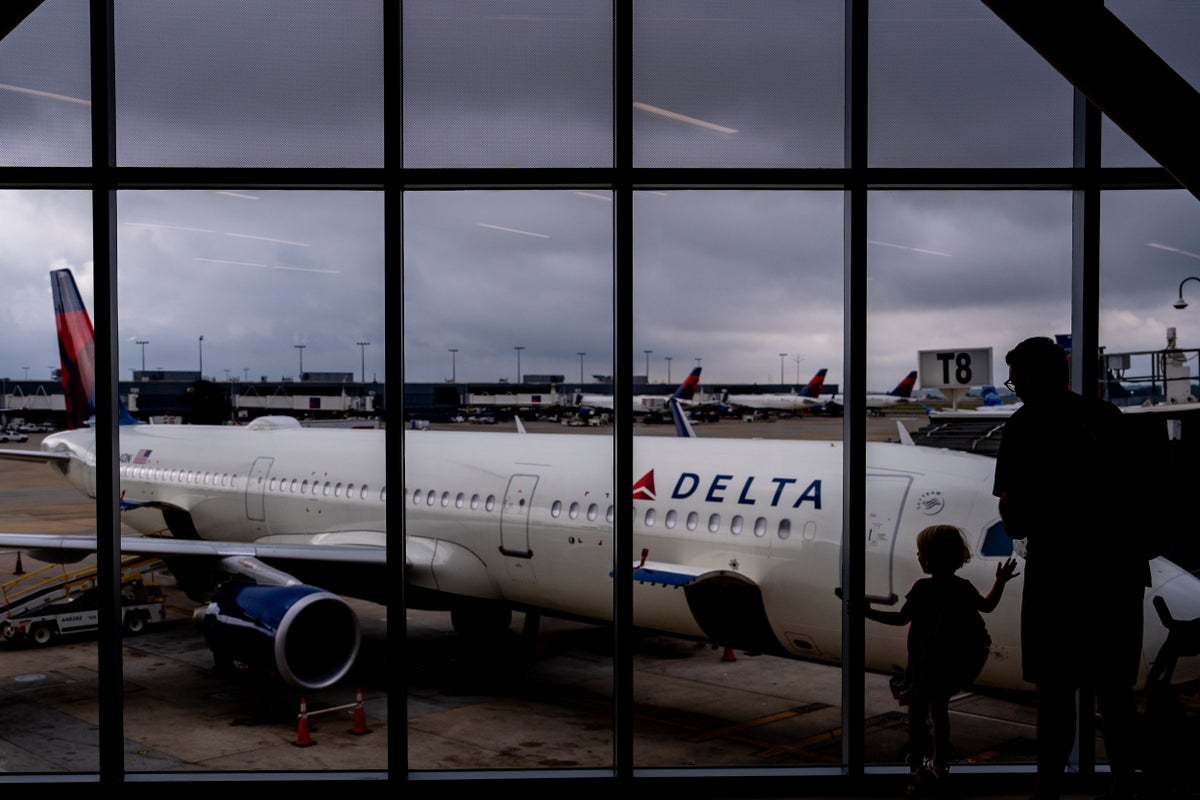
That was the reality for the passengers aboard Delta Flight [insert flight number contextually as standard reporting goes], bound for its destination until an invisible intruder invaded the flight deck. Cockpit fumes. Two words that sound clinical, almost bureaucratic, but translate to a terrifying reality for the people steering the ship. When the front office fills with an unidentifiable haze, the pilots are suddenly fighting an enemy they cannot easily see, armed only with oxygen masks and checklists born from decades of aviation tragedy.
Smoke. Fumes. Odors. In the quiet language of aviation safety, these are not minor inconveniences. They are emergencies.
To understand why a cockpit filled with strange vapors can turn a routine transatlantic or cross-country flight into an urgent scramble back to the tarmac, you have to look at how modern commercial aircraft breathe. The air inside a passenger cabin is not simply scooped up from the cruising altitude and compressed. At thirty-eight thousand feet, the air outside is fifty degrees below zero and has virtually no oxygen pressure to sustain human consciousness.
Instead, bleed air is pulled directly from the engine compressors. It is hot. It is high-pressure. It is routed through a series of cooling systems and filters before it is mixed with recirculated cabin air and delivered to your seat.
System efficiency. That is the engineering miracle of modern flight. But it creates a single, vulnerable bottleneck. If a seal fails, if a drop of synthetic engine oil or hydraulic fluid leaks past a bearing and enters the compressor section, that fluid is flash-heated. It atomizes. It turns into an invisible, toxic aerosol, and it gets pumped straight into the ductwork.
Into the cockpit. Into the cabin. Straight into the lungs of the crew.
Pilots call this an odor event or a fume event. To the uninitiated, it sounds like a bad smell. To an aerospace toxicologist, it can mean exposure to tricresyl phosphate and other nasty organophosphates found in synthetic lubricants. When these compounds burn, they don't just smell bad; they can cause dizziness, neurological confusion, tremors, and sudden incapacitation.
Consider what happens next in the cockpit.
The captain and first officer are strapped into their seats. They are staring at glowing glass panels, primary flight displays, engine parameters, and navigation waypoints. Suddenly, their eyes smart. Their throats catch. A chemical haze blurs the instrument cluster.
In that fraction of a second, the margin for error shrinks to zero. A pilot cannot afford a moment of cognitive fog when managing a descent through crowded airspace. If the fumes are severe enough, the flight crew must immediately don their full-face oxygen masks—known as quick-donning masks—and switch to emergency regulator settings that supply 100 percent oxygen under positive pressure.
Try communicating complex air traffic control instructions, running emergency checklists, and coordinating with flight attendants while breathing through a rubber seal clamped tightly to your face. It is claustrophobic. It is disorienting. It is an exercise in high-stakes sensory deprivation.
This is why turning around is not an admission of defeat; it is the ultimate victory of caution over hubris.
When the Delta flight crew made the call to reverse course, they were not panicking. They were executing a painfully rehearsed choreography designed to ensure that a localized mechanical failure did not cascade into something catastrophic. They declared an emergency—Pan-Pan or Mayday, depending on the severity and immediate toxicity—giving them absolute priority over every other aircraft in the sky.
Air traffic controllers cleared the path. Descent initiated. Speed brakes deployed. The heavy aircraft rolled into a wide, sweeping arc, shedding thousands of feet of altitude per minute, turning its nose back toward the departure gate it had left only an hour or two prior.
Down in the cabin, the psychological toll is different. Passengers do not have oxygen masks with regulators unless deployment is triggered by a sudden loss of cabin pressure—which is a different emergency entirely. In a fume event, passengers might just smell the burning oil, wonder if they are breathing something dangerous, and watch the flight crew don yellow-and-black emergency gear.
The silence in the cabin during an unscheduled return is deafening.
You look out the window at the endless expanse of blue or grey, realizing how thin the margin is between human civilization and the raw, unyielding elements. You watch the wing flaps extend. You feel the deceleration. Every minor shudder of the airframe is magnified through the lens of anxiety.
When the wheels finally touch down on the runway, the relief is not a quiet sigh. It is a collective exhale that you can feel in the soles of your feet against the cabin floorboards. Fire trucks usually meet the plane. Flashing red and blue lights paint the fuselage in urgent strokes. Emergency stairs roll up to the doors.
It looks dramatic, because it is dramatic. But it is also a testament to redundancy. The system failed, yes—a seal leaked, a component degraded. But the safety net worked. The crew smelled the threat, recognized the danger, bypassed the destination, and brought everyone back to solid ground.
We step off the plane into the sterile brightness of the airport terminal. We rub our eyes, which feel dry and gritty from hours of recycled air. We check our phones to rebook connecting flights, frustrated by the delay, annoyed by the missed meetings and the ruined schedules.
We forget how close we just brushed against the invisible edges of our technology.
We walk through the terminal doors, back into the noise of the world, breathing the heavy, unfiltered air of the earth, entirely unaware of how much human vigilance it took to keep us safe while we were floating miles above the clouds.