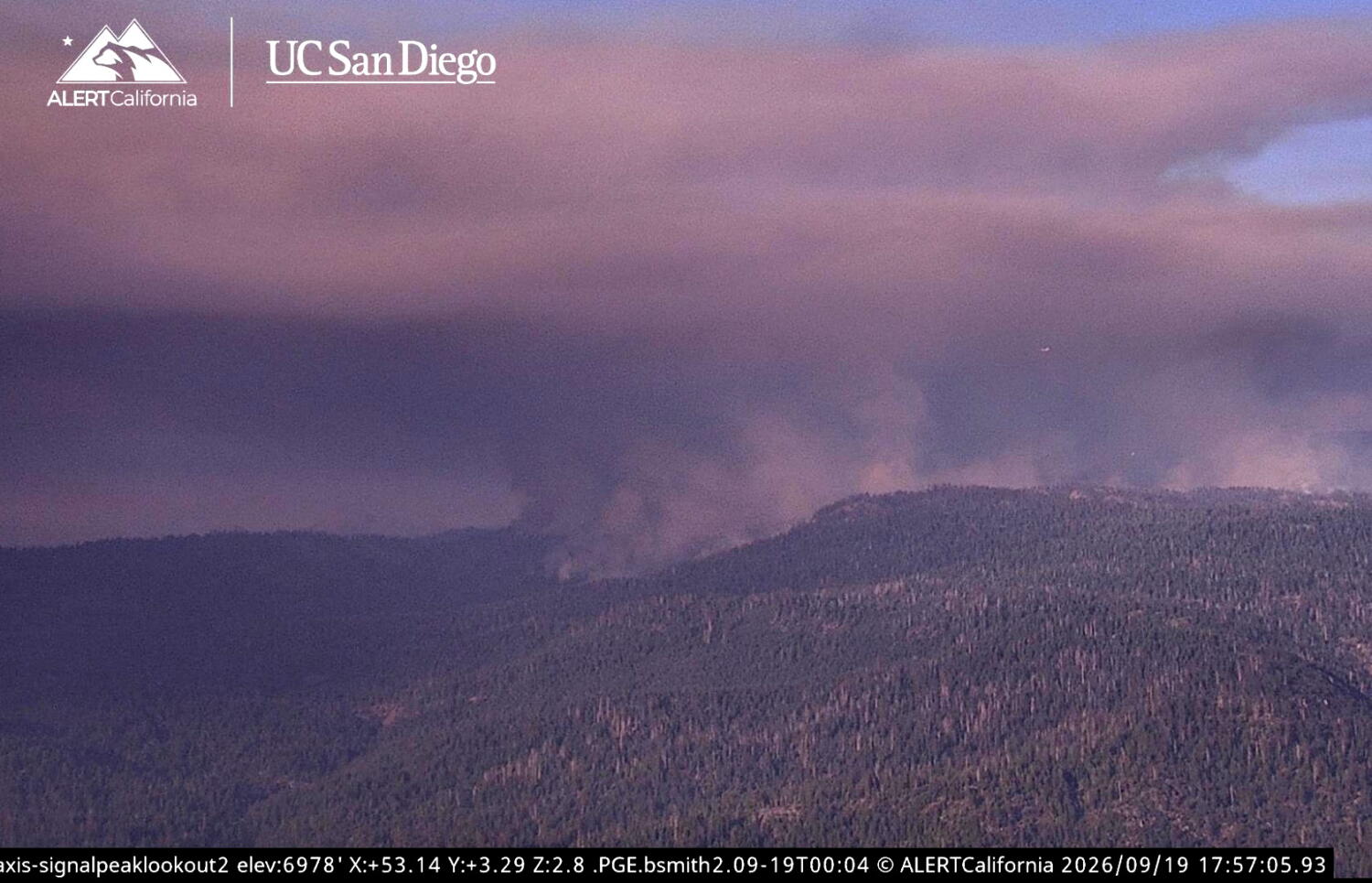
Flames don't care about park boundaries. When a wildfire sparks deep inside the rugged granite canyons of Yosemite, the public watches the smoke plumes from safe vantage points miles away. Most people picture massive airplanes dropping red slurry or sleek helicopters gracefully dipping buckets into alpine lakes. It looks heroic. It looks cinematic. It is also one of the most perilous jobs on earth.
Flying a helicopter low and slow through a smoke-choked canyon while battling unpredictable winds and extreme heat is a high-stakes gamble every single time a pilot lifts off. When tragedy strikes and lives are lost in the line of duty, the headlines flash across our screens for a day or two. Then the news cycle moves on. But the underlying systemic dangers facing aerial firefighters remain largely misunderstood by the public.
You need to understand what actually happens when aviation meets wildfire in extreme terrain. It is not just about piloting an aircraft. It is about navigating an environment that actively wants to pull you out of the sky.
The Dangerous Reality Above the Tree Line
Flying over a national park during a wildfire bears zero resemblance to commercial aviation. Pilots operate in an uncontrolled, chaotic airspace where the weather is self-generated by the fire itself. Mega fires create their own localized weather systems, complete with erratic wind shears, intense downdrafts, and unpredictable thermal columns that can flip an aircraft in seconds.
In places like Yosemite, the topography compounds every single hazard. Steep cliffs, narrow canyons, and towering granite walls leave zero room for error. If an engine fails or a rotor wash hits an unexpected eddy off a cliffside, a pilot has milliseconds to react. There are no smooth runways waiting below. There are only jagged rocks, dense timber, and burning brush.
When you look at historical accident data across wildland aviation, the numbers tell a sobering story. Helicopters used for bucket drops experience stress levels far exceeding standard utility operations. The constant heavy loads, rapid weight shifts when releasing water, and extreme heat ingestion into turbine engines push airframes to absolute mechanical limits. Maintenance crews work miracles between shifts, but machines can only take so much abuse when operating at the absolute edge of their performance envelope.
Furthermore, the contractual structure of wildland firefighting places immense pressure on operators. Many firefighting helicopters are operated by private contractors hired on emergency call-when-needed agreements. This creates a financial incentive to keep flying through marginal weather conditions, because downtime translates directly to lost revenue. When an operator's livelihood depends on getting into the air, safety margins can quietly erode until disaster strikes.
Why Mountain Terrain Destroys Helicopter Safety Margins
Physics is unforgiving in the mountains. As ambient temperatures rise during a blistering summer wildfire, air density drops. Lower air density means reduced lift. Helicopters require dense air to generate the rotor thrust necessary to hover, climb, and maneuver safely.
When you combine high altitude, scorching temperatures, and heavy water bucket loads, a helicopter operates in what aviation professionals call a high-density altitude environment. Performance margins shrink to nearly zero. A pilot might have plenty of power at sea level on a cool morning, but by mid-afternoon over a blazing ridge in the Sierra Nevada, that same aircraft sluggishly responds to control inputs.
The mechanics of water dropping introduce another hidden peril. A standard bucket carries hundreds of gallons of water, weighing thousands of pounds. When that water releases instantly upon command, the aircraft undergoes a sudden, violent weight shift. The nose pitches up, the collective must be yanked instantly to compensate for the lost weight, and the aircraft can stall or settle back into rotor-wash turbulence if the pilot misses the timing by a fraction of a second.
Add heavy smoke to the equation, and situational awareness vanishes. Visibility drops to near zero within seconds as winds shift and push smoke plumes directly into flight paths. Pilots fly almost entirely by feel and instrument reference, trusting their instincts while skimming inches above treetops. One misplaced turn into a box canyon with rising terrain can trap an aircraft with no way out.
Ground crews face their own nightmares, but pilots and flight crew members live in a distinct realm of vulnerability. They cannot pull over. They cannot duck behind a boulder. They are strapped into a glass cockpit surrounded by fuel, fighting an invisible enemy that changes behavior by the minute.
The Psychological and Physical Toll on Aviation Crews
We talk endlessly about equipment, budgets, and response times. We rarely talk about the human cost. The men and women flying firefighting helicopters endure grueling schedules during peak fire seasons. They deploy for weeks at a time, sleeping in temporary camps or motels, flying multiple missions a day under crushing physical fatigue.
Fatigue is a silent killer in aviation. Decision-making slows down. Reaction times lag. When you are flying complex mountain maneuvers hour after hour, mental sharpness is your primary shield against disaster. Yet the pressure to protect timber, infrastructure, and human lives pushes crews to keep flying past safe operational limits.
The psychological burden is equally heavy. Aviation crews form tight-knit bonds. Losing colleagues in a crash sends shockwaves through the entire firefighting community. Yet, maintenance must continue, aircraft must launch, and the next fire must be fought. There is rarely time to process grief before strapping back in for another flight into the smoke.
Civilians rarely grasp the weight of this responsibility. When a pilot straps into a firefighting helicopter, they carry the expectation of perfection. One miscalculation rooted in exhaustion can mean the difference between a successful drop and a fatal impact. The industry has long suffered from a stoic culture where admitting fatigue is viewed as weakness, making peer support and mental health resources crucial yet historically underutilized components of flight base operations.
How Smoke and Visibility Transform the Sky Into a Trap
Smoke is not just an inconvenience. It is a dynamic, shifting hazard that actively blinds flight crews. Wildfires produce massive palls of particulate matter that block sunlight, obscure mountain ridges, and distort depth perception.
Flying through smoke requires specialized training and absolute trust in flight instruments. However, many tactical firefighting maneuvers occur below standard instrument flight rules altitudes. Pilots must maintain visual contact with the terrain to drop water accurately on hot spots. When smoke suddenly thickens or rolls over a ridge, a pilot can experience spatial disorientation in an instant.
Power lines and unmarked utility wires present another invisible menace. In remote wilderness areas, lines are rare, but near park infrastructure, ranger stations, or private in-holdings, wires stretch across canyons. Smoke makes these cables completely invisible until it is too late. Strike a line with a rotor blade, and the aircraft becomes uncontrollable in a fraction of a second.
Radio communication adds another layer of complexity. Multiple agencies coordinate during a major park fire. Forest Service planes, National Park Service ground units, local sheriff departments, and private contractor helicopters crowd the radio frequencies. Miscommunications happen. Planes and helicopters share tight airspace without centralized air traffic control towers, relying entirely on mutual see-and-avoid protocols that break down when visibility drops to zero.
Rethinking Safety Protocols for Modern Wildfire Response
The recurring tragedies in wildland aviation demand a serious reckoning. We cannot accept pilot and crew fatalities as just part of the job. Safety technology has evolved, but adoption across contracted fleets remains inconsistent.
Night vision goggles and advanced thermal imaging cameras have improved visibility through smoke, but many older airframes lack these retrofits. Funding constraints mean private operators often fly older utility helicopters that lack modern crash-resistant fuel systems and terrain awareness warning equipment. If we expect crews to risk their lives protecting public lands, governments and private contractors must mandate top-tier safety technology across every active aircraft.
Operational risk management also needs an overhaul. Incident commanders face immense pressure from politicians and the public to suppress fires immediately. That pressure trickles down to flight crews who feel compelled to launch even when weather or smoke conditions cross safety thresholds. Empowering pilots with unchallengeable authority to scrub a mission without career repercussions is essential.
Wildfires will only grow more intense as climate patterns shift and dry timber accumulates across western forests. The demand for aerial firefighting assets will skyrocket. If we fail to prioritize the safety and well-being of the people flying those aircraft, we risk losing experienced personnel faster than we can train them.
The next time you see footage of a helicopter fighting a raging forest fire, remember the human lives strapped inside that cabin. They are facing extreme physics, blinding smoke, and unforgiving terrain to protect places we cherish. They deserve better than outdated equipment, exhausted schedules, and systemic neglect. True progress in wildfire management starts by protecting the people who stand between the flames and the forest.