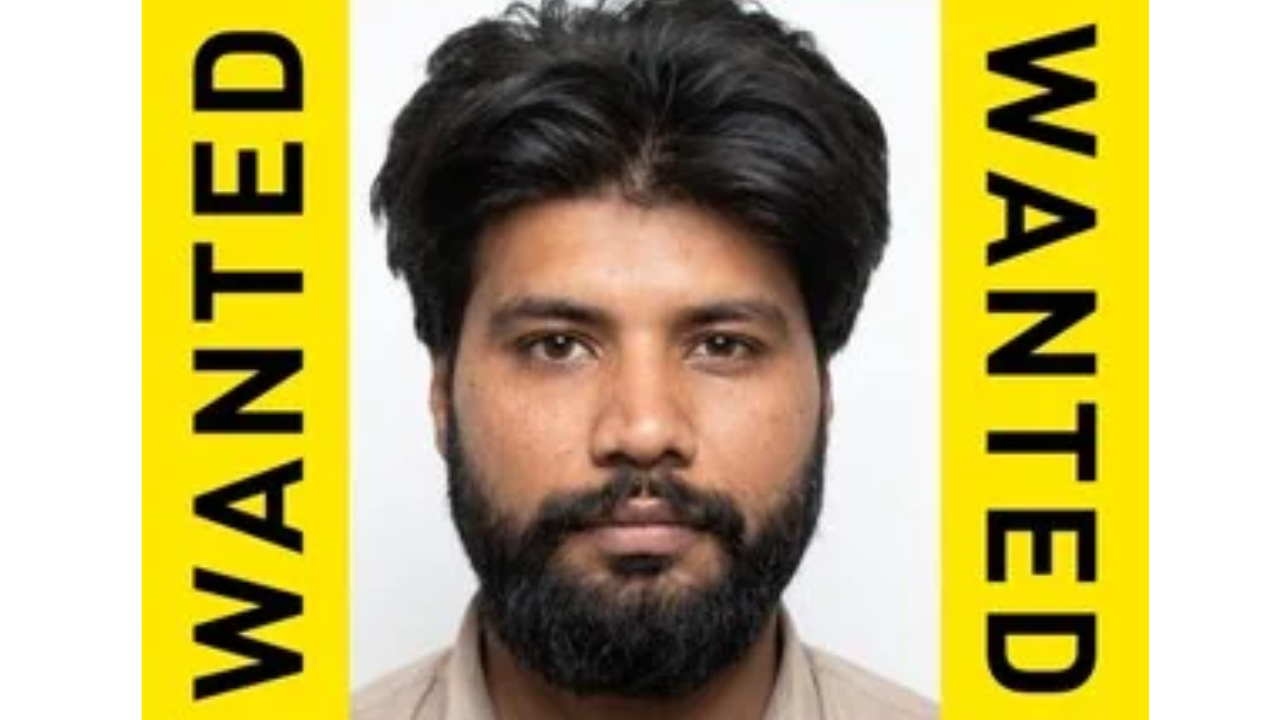
When Peel Regional Police issue a Canada-wide warrant, they aren't messing around. That's exactly what happened in the fatal Brampton shooting case involving Manpreet Singh, a suspect of Indian origin who quickly became the focus of a massive law enforcement search across the Greater Toronto Area and beyond.
Most headlines just recycle the bare-bones police press release and call it a day. You get a name, an age, a blurry mugshot, and a generic warning not to approach the suspect. But if you live in Peel Region—or you're trying to understand how cross-border and national manhunts actually play out in Canada—there's a lot more going on beneath the surface of this investigation. If you enjoyed this piece, you might want to check out: this related article.
Breaking Down the Brampton Shooting Investigation
Let's look at the hard facts first. Homicide investigators in Brampton don't jump straight to nationwide warrants unless they've already locked down solid forensic or witness evidence tying a specific suspect to the scene.
In Peel Region, violent gun crime has been a flashpoint for local residents and municipal leaders for years. Brampton, one of Canada's fastest-growing cities with a massive South Asian diaspora, has seen its police force stretched thin dealing with targeted shootings, extortion rings, and organized street crime. When a fatal shooting happens in a residential neighborhood or a busy commercial plaza, the Peel Regional Police Homicide Bureau moves fast to contain the fallout and prevent retaliatory violence. For another angle on this event, see the latest coverage from NBC News.
In the case of Manpreet Singh, investigators identified him as the primary suspect wanted in connection with a fatal shooting in Brampton, securing a Canada-wide warrant for first-degree or second-degree murder charges depending on the Crown's assessment of premeditation.
Why does the distinction between a local warrant and a Canada-wide warrant matter so much? Because a standard provincial warrant only gives police automatic arrest powers within Ontario. Once a judge signs off on a Canada-wide warrant, every single police agency from Vancouver Island to St. John's—along with the Canada Border Services Agency (CBSA)—gets flagged immediately.
Why Canada-Wide Warrants Happen Fast in Peel Region
If you've ever followed major crime beats in the GTA, you know how quickly suspects try to vanish once shots are fired. Highway 401, Highway 410, and Pearson International Airport sit right on Brampton's doorstep. Someone involved in a fatal shooting can be in another province—or on an international flight—within hours if law enforcement drags its feet.
Peel Regional Police know this better than anyone. Their homicide unit works directly with the Ontario Provincial Police (OPP) Repeat Offender Parole Enforcement (ROPE) Squad and federal agencies to lock down transit hubs the second a suspect is identified.
Here's what typically triggers that immediate escalation:
- Flight risk indicators: If a suspect has ties outside Ontario, access to cash, or family networks in other provinces like British Columbia or Alberta, police won't risk waiting.
- Public safety threats: Anyone willing to use a firearm in a public or semi-public space in Brampton is automatically classified as armed and dangerous.
- International travel concerns: Given the "Indian-origin" detail highlighted across news coverage, investigators routinely alert airport authorities and border crossings to prevent a suspect from fleeing to India or the United States before charges can be laid.
Honestly, the media fixation on a suspect's heritage often misses the actual operational point. Police don't highlight background details for sensationalism; they do it because investigative teams have to map out potential support networks, safe houses, and international flight routes.
The Reality of Policing Gun Crime in Brampton
Let's be real about the broader context here. Brampton isn't the quiet suburban bedroom community it was thirty years ago. It's a major urban center dealing with big-city crime while often operating with fewer officers per capita than Toronto.
When a fatal shooting rocks a Brampton neighborhood, community reaction tends to split in two directions. On one side, residents are frustrated by the sheer frequency of gun violence and want visible, aggressive policing. On the other, South Asian community leaders frequently push back against broad stereotypes whenever a suspect with a common Punjabi name like Manpreet Singh makes national headlines.
Both things can be true at the same time. You can demand accountability and swift justice for a homicide victim while recognizing that a single suspect doesn't represent a community of hundreds of thousands of law-abiding families.
There's also a practical investigative hurdle that reporters rarely talk about: name commonality. "Manpreet Singh" is one of the most common names in the Punjabi community worldwide. When Peel Police release a photo alongside the name, they do it specifically so tips don't flood their phone lines targeting innocent people who happen to share the exact same name and general age range.
How Law Enforcement Tracks Fugitives Across Canada
People watch too many movies and assume police are tracking suspects through satellite feeds in real time. The reality is much grittier and relies heavily on old-school detective work mixed with targeted digital warrants.
Once a Canada-wide warrant goes live for a suspect like Manpreet Singh, investigators pull a few specific levers:
- CBSA Lookout Alerts: Border agents at every land crossing and international airport get a high-priority flag. Even if a suspect tries to use secondary identification, biometric screening and passenger manifests at Pearson or Vancouver International Airport make slipping out of the country way harder than it used to be.
- Financial and Digital Footprints: With judicial authorization, detectives track bank card usage, cell tower pings, and rideshare accounts. Most fugitives get caught not because of a high-speed car chase, but because they used a debit card at a gas station or logged into a familiar social media account.
- The "Accessory After the Fact" Pressure: Police will publicly remind anyone helping a fugitive that sheltering, driving, or funding a wanted murder suspect is a serious criminal offense under Section 23 of the Criminal Code of Canada. That single warning is often what convinces acquaintances to stop hiding a suspect and call a lawyer instead.
What You Should Actually Do If You Spot a Wanted Suspect
Every police bulletin ends with the exact same line: Do not approach; call 911 immediately. People gloss over it because they've read it a thousand times, yet every year bystanders still try to play detective by filming suspects on their phones or following vehicles.
Don't do that. Seriously.
If someone is wanted on a Canada-wide warrant for a fatal shooting, they're operating under extreme stress and have already demonstrated a willingness to use lethal force. Trying to get a close-up video for social media puts you directly in the line of fire and can actually compromise an active police surveillance operation nearby.
If you genuinely believe you've seen Manpreet Singh or have credible information about his whereabouts, stick to the protocol that actually helps close the case:
- Note the exact location and direction of travel before you even reach for your phone, including cross streets, plaza names, or transit stops.
- Record vehicle details safely from a distance—make, model, color, distinctive damage, and license plate numbers are gold for highway patrol units.
- Call 911 for immediate sightings, or contact Peel Regional Police Homicide Bureau directly if you're sharing background information rather than a live location.
- Use Peel Crime Stoppers (1-800-222-8477) if you have ties to the individuals involved and need guaranteed anonymity without ever having to testify in court.
Public tips remain the single fastest way Canada-wide warrants get resolved. Law enforcement can deploy all the forensic tools and border alerts in the world, but it's almost always a sharp-eyed resident making one quick, anonymous phone call that brings a fugitive into custody.


