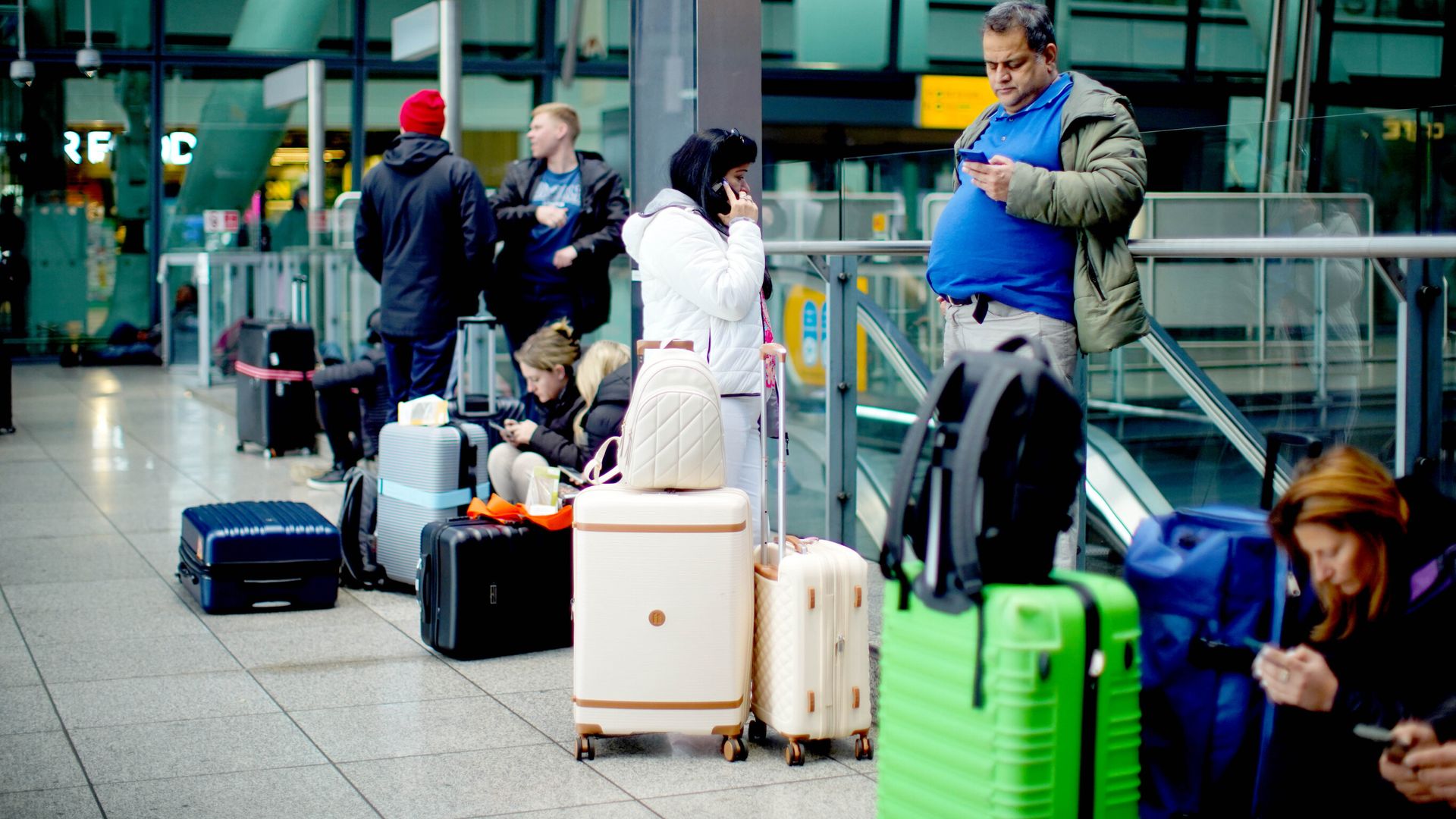
You’re sitting on a cold airport floor, staring at a flickering departure board that just turned red. Your flight is gone. The airline representative is handing out meager snack vouchers like they’re doing you a massive favor. They aren't. In fact, that $10 sandwich coupon is often a distraction from the hundreds of dollars the airline actually owes you. Most people walk away because the process feels like shouting into a void. Don't be that person.
The reality of air passenger rights is a mess of acronyms and fine print. Whether you're dealing with European Regulation EC 261/2004, the UK’s post-Brexit equivalent, or the Department of Transportation (DOT) rules in the US, the power balance is skewed. Airlines count on your exhaustion. They hope you'll forget about the three-hour delay once you finally hit the hotel pool. But if you know the specific triggers for compensation, you can turn a travel disaster into a significant payout.
The three hour rule that airlines hate
If you're flying within, into, or out of Europe or the UK, the "three-hour rule" is your best friend. Under EC 261 (and the UK version), if your flight arrives at its final destination more than three hours late, you’re likely entitled to cash. We aren't talking about vouchers or "miles." We're talking about cold, hard cash ranging from €250 to €600 per person.
The distance of the flight determines the amount. Short hops under 1,500km get you the lower end. Long-haul flights over 3,500km that land four hours late trigger the full €600. It doesn't matter if the ticket only cost you $50 on a budget carrier. The compensation is fixed. I’ve seen passengers get paid triple their original ticket price just because a pilot was late or a technical glitch grounded the plane.
There's a catch. Airlines love the phrase "extraordinary circumstances." This is their "get out of jail free" card. It covers things like freak weather, air traffic control strikes, or security threats. However, they often try to bucket mechanical issues or "crew shortages" under this label. Don't buy it. A broken engine or a sick co-pilot is part of running an airline. It’s an inherent risk of their business, not an act of God. If they claim a technical fault is "extraordinary," push back.
What changed with US flight refund rules in 2024
For a long time, US-based travelers were left in the lurch. The DOT used to let airlines set their own definitions for what a "significant" delay was. That changed recently. As of late 2024, the Department of Transportation mandated automatic refunds for significantly delayed or cancelled flights.
If your domestic flight is delayed by more than three hours, or your international flight by more than six, you're entitled to a full refund if you choose not to travel. The "automatic" part is key. You shouldn't have to jump through hoops or wait months for a check. If you paid by credit card, they have seven business days to get that money back to you.
But there’s a massive distinction you need to understand. A refund isn't the same as compensation. In the US, if the airline puts you on a later flight and you take it, they generally don't owe you extra cash for your trouble unless you were bumped from an oversold flight. It’s frustrating. It’s unfair compared to European standards. But knowing the limit of your rights prevents you from wasting hours arguing for money that legally doesn't exist in the American system.
The duty of care is not optional
While you're waiting for that delayed plane, the airline has a "duty of care." This kicks in long before the three-hour compensation mark. Usually, after two hours of waiting, they must provide:
- Food and drink vouchers (proportional to the wait)
- Access to communication (emails or phone calls)
- Hotel accommodation if the delay is overnight
- Transport between the airport and the hotel
Airlines are notorious for "forgetting" to mention this. If the desk is abandoned or they refuse to help, keep every single receipt. Buy a reasonable meal. Don't go to a Michelin-star restaurant and expect a refund, but a standard dinner and a mid-range hotel are fair game. When you file your claim later, attach those receipts. I've found that airlines are much quicker to reimburse a hotel receipt than they are to cut a check for "inconvenience."
How to document everything like a pro
The biggest mistake you can make is leaving the airport without evidence. The gate agents might tell you one thing, but the corporate claims office will say another three weeks later. You need a paper trail.
Take a photo of the departure board showing the delay. If the agent says the delay is due to a "mechanical issue," write down their name and exactly what they said. Use apps like FlightStats or FlightRadar24 to screenshot the actual arrival time of your plane. These third-party logs are harder for airlines to dispute than your own watch.
Ask the gate staff for a "written statement of delay." Most major carriers are required to provide this upon request. It's a small slip of paper that identifies the flight, the length of the delay, and—most importantly—the reason. If they claim "weather" but you see every other airline taking off on time, take a video of the clear skies and other planes departing. It sounds overkill. It isn't.
Tarmac delays are a different beast
Sitting on the plane while it's parked on the tarmac is a special kind of hell. In the US, there are strict limits on how long they can keep you prisoner. For domestic flights, they can't hold you for more than three hours. For international, it's four.
Once the clock hits two hours, they are legally required to provide water and a snack. They also have to ensure the bathrooms stay functional. If they hit the three-hour mark without moving toward takeoff, they have to let you off—unless there’s a safety or security reason why they can't. If you’re stuck longer than this, the airline faces massive fines from the DOT. Mentioning this specific rule to a flight attendant can sometimes magically find a path back to the gate.
The secret of the "Internal Comment"
When you’re talking to a customer service agent, ask them to check the "internal comments" on the flight record. Often, the public reason for a delay is "operational," which is a vague term that means nothing. Internally, the computer might say "Late crew arrival from previous leg."
If the delay was caused by a late crew, that is almost always a compensable event. It means the airline managed their scheduling poorly. It’s not an "extraordinary circumstance." Getting that specific detail can be the silver bullet for your claim.
Stop using "No Win No Fee" sites immediately
You’ve seen the ads. Websites promise to get your flight compensation for you with "no effort." They take a massive cut—often 25% to 40% of your payout. Unless your case is incredibly complex or the airline is being illegally stubborn, you don't need them.
Most airlines now have a dedicated "Compensation Claim" form hidden in the footer of their website. It takes ten minutes to fill out. If you have your flight number, your booking reference, and your receipts, you can do exactly what the third-party sites do. Keep the full €600 for yourself. Use it for your next trip instead of giving it to a legal tech firm.
Navigating the "We're sorry" email
A few days after a bad flight, you'll get an automated email. It will be full of empathetic language. "We know your time is valuable," they'll say. Then they’ll offer you a $100 travel voucher or 5,000 bonus miles as a "gesture of goodwill."
Be careful. Sometimes, by accepting that voucher, you're signing away your right to a full cash claim under EC 261 or UK law. Read the fine print before clicking "Accept." If you’re owed €600, don't settle for a $100 voucher that expires in twelve months and can only be used on their airline. Demand the cash. Tell them you’re aware of your rights under the specific regulation applicable to your flight. Usually, one firm email citing the law is enough to make them stop low-balling you.
Taking it to the next level
If the airline rejects your claim and you know you’re right, don't stop. In the UK, you can go to Alternative Dispute Resolution (ADR) schemes. In the US, you file a formal complaint with the DOT’s Aviation Consumer Protection division. These agencies actually have teeth. Airlines hate dealing with them because it costs them more in administrative time than it does to just pay you.
Log onto the airline’s website right now. Find their "Contact Us" or "Help" section. Search for "Compensation" or "Notice of Rights." Fill out the form with your flight details. Attach your photos of the departure board. Mention the specific delay length and the reason provided at the gate. If they haven't replied in 30 days, follow up. Persistence is the only thing that works when dealing with billion-dollar corporations.