Stop drooling over the floor plans.
Every time a glossy magazine profiles a fifty-thousand-square-foot estate—the kind that boasts "shopping center" dimensions—the public swoons. They see opulence. They see the arrival of status. They see the physical manifestation of winning the lottery of life.
They are wrong.
What they are actually looking at is a financial parasite disguised as a home. I have spent years advising high-net-worth individuals, and I have seen the same story play out a dozen times: a client spends ten figures building an ego-driven bunker, only to realize within eighteen months that they have bought a full-time, high-stress job rather than a residence.
The mega-mansion is not a prize. It is a liquidity trap. It is a depreciating asset masquerading as an investment. If you want to understand why the ultra-wealthy are quietly offloading these monstrosities in favor of more discreet, manageable, and actually functional properties, pay attention.
The Maintenance Myth
The primary argument for the mega-mansion is that it offers "everything you need." Home theaters, bowling alleys, indoor pools, commercial-grade kitchens. The logic goes that if you have the space, you have the utility.
False.
In a commercial shopping center, you have tenants who pay rent to cover the overhead. In a mega-mansion, you are the only tenant, and you are subsidizing the entire operation with your own cash flow.
Consider the operations and maintenance (O&M) math. A standard, high-quality home requires roughly 1-3% of its value in annual maintenance. In a fifty-thousand-square-foot estate, that percentage doesn't shrink; it balloons. You are dealing with commercial-grade HVAC systems, industrial-sized plumbing, and thousands of square feet of climate-controlled zones that must remain active even when you are on the other side of the planet.
I once worked with a client who owned a sixty-thousand-square-foot property in the Pacific Northwest. Between the staffing costs—security, house managers, groundskeepers, cleaners—and the sheer energy bill required to keep the air moving in a building that size, he was burning through a quarter-million dollars a month just to keep the lights on. Not on renovations. Not on improvements. Just to keep the house from rotting.
That is not "lifestyle." That is a recurring tax on your sanity.
The Liquidity Trap
Let’s talk about the exit strategy. Real estate agents love to sell the "trophy home" narrative because the commission on a twenty-million-dollar sale is life-changing for them. For you, the seller, it is a nightmare waiting to happen.
The market for a fifty-thousand-square-foot mansion is infinitesimally small. You are not selling a home; you are selling a massive, specialized commercial facility that happens to have a bedroom. When the economy shifts or the market cools, the first assets to lose value are the ones that are too big for the average buyer and too expensive for the average investor to turn into a profit center.
Imagine a scenario where you need to move quickly. You have your capital tied up in a property that requires two years to market, six months to show, and a buyer profile that consists of fewer than a few hundred people globally. That is the definition of illiquidity. You aren't "house rich." You are cash poor, holding a bag of bricks that is bleeding value every single day you own it.
The smarter money has moved away from the "look at me" estates. They are buying smaller, high-quality homes in multiple locations. They want mobility. They want the ability to lock a door and walk away for six months without worrying about a pipe bursting in a wing of the house they haven't walked into since 2022.
The Psychological Rot of Isolation
Space is a luxury, but scale is a burden. There is a physiological reaction to living in cavernous, echoing rooms designed to impress houseguests rather than to house a human being.
True comfort requires intimacy. It requires a space that wraps around you. When you scale up to the size of a retail outlet, you lose the ability to create a home. You instead inhabit a museum. You spend your time traveling from one climate-controlled zone to another.
I’ve seen families break down under the weight of these houses. They stop eating together because the kitchen is a quarter-mile from the living room. They stop seeing each other because the layout is designed for staff flow and security protocols rather than family interaction. You end up living in a segmented, sterile environment where the house dictates your movements.
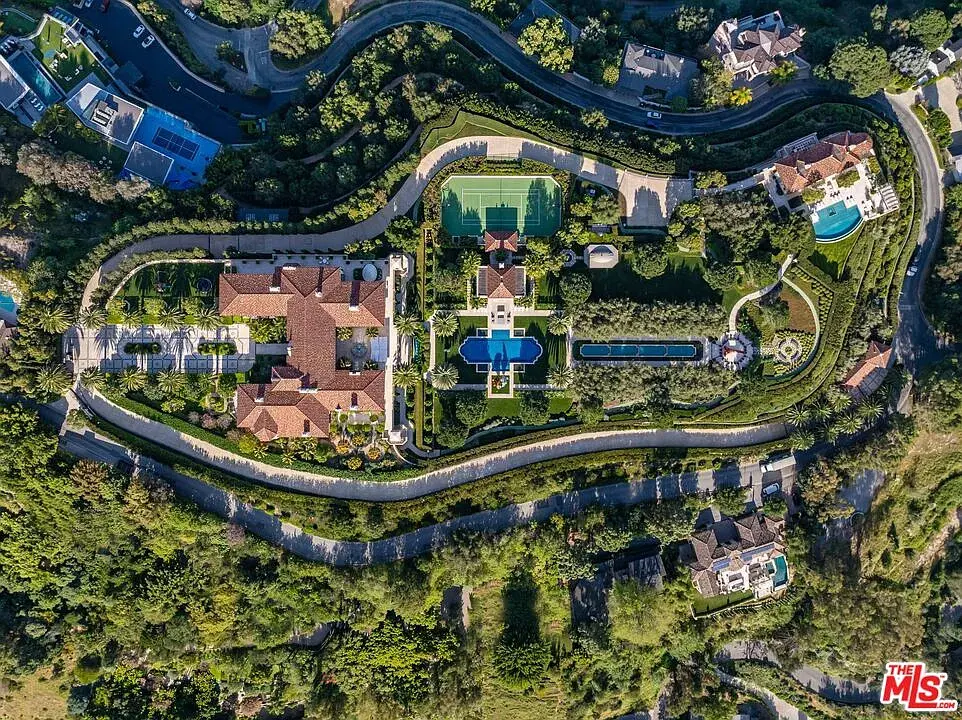
The architects of these homes aren't designing for your comfort. They are designing for ego, for the aerial photograph, for the bragging rights that disappear the moment you realize you're alone in a room built for a ballroom dance that never happens.
The Staffing Liability
The hidden cost of the mega-mansion is the human element. If you own a structure the size of a shopping center, you are effectively running a small hotel.
You are no longer a homeowner. You are an HR manager. You are hiring security teams, house managers, estate directors, maintenance contractors, and specialized cleaning crews. You are responsible for the vetting, the payroll, the taxes, and the interpersonal dynamics of a staff that is likely larger than the average small business workforce.
If the staff is good, they are expensive. If the staff is bad, they are a massive security and privacy liability. Every entry point, every service elevator, every blind spot in a property that size creates a massive surface area for risk. You aren't securing a home; you are securing an industrial complex.
Ask yourself: are you building a family home, or are you becoming a full-time property manager for a private institution? Because if it is the latter, you better be getting paid for it. If you are paying for it, you have made a tactical error in your wealth management.
The Real Wealth Play
So, what is the alternative? Does one live in a shoebox?
Hardly. The shift is toward high-density luxury.
The current smart money is moving toward properties that offer privacy without the "estate" overhead. They are buying high-end penthouses in urban centers or sophisticated, architecturally significant homes on smaller plots that don't require a staff of twenty to manage.
They prioritize location over footprint. A ten-thousand-square-foot home in the right neighborhood is worth five times the fifty-thousand-square-foot mansion in a sprawling, isolated enclave. The former is a lifestyle asset; the latter is a vanity project.
I have advised people with hundreds of millions in net worth who live in homes that would look modest to a local developer. They understand that their money is better deployed in their businesses, in liquid markets, or in experiences that don't come with a property tax bill the size of a small country's GDP.
When you buy a mega-mansion, you are buying the ability to impress people who you don't actually like. You are buying the right to pay massive utility bills. You are buying the headache of managing a commercial property.
Stop chasing the square footage. Stop listening to the brokers who benefit from the transaction. Start looking at the cost of ownership, the liquidity of the asset, and the quality of your life once the novelty of the grand staircase wears off.
If you are buying for status, you are already losing. If you are buying for yourself, buy a house that you can actually live in.
The shopping center belongs in the retail district. Your home belongs to you. Keep them separate.